You wake up, check the weather, and track your morning jog without seeing a single banner advertisement. You haven’t spent a dime, leaving many to wonder exactly how free apps make money without ads when they employ hundreds of salaried engineers to keep the lights on.
Common wisdom suggests that if you aren’t paying, the company is secretly selling your private messages to the highest bidder. While data privacy is a valid concern, the reality of how free apps make money often involves business models much more sophisticated—and sustainable—than a simple data heist.
This invisible economy relies on specific strategies, ranging from the “gym membership” logic of premium upgrades to hidden matchmaker fees between companies. These methods reveal how to monetize apps without ads, allowing you to spot the true cost behind your next download.
The ‘Arcade Model’: How Microtransactions Turn Pennies into Billions
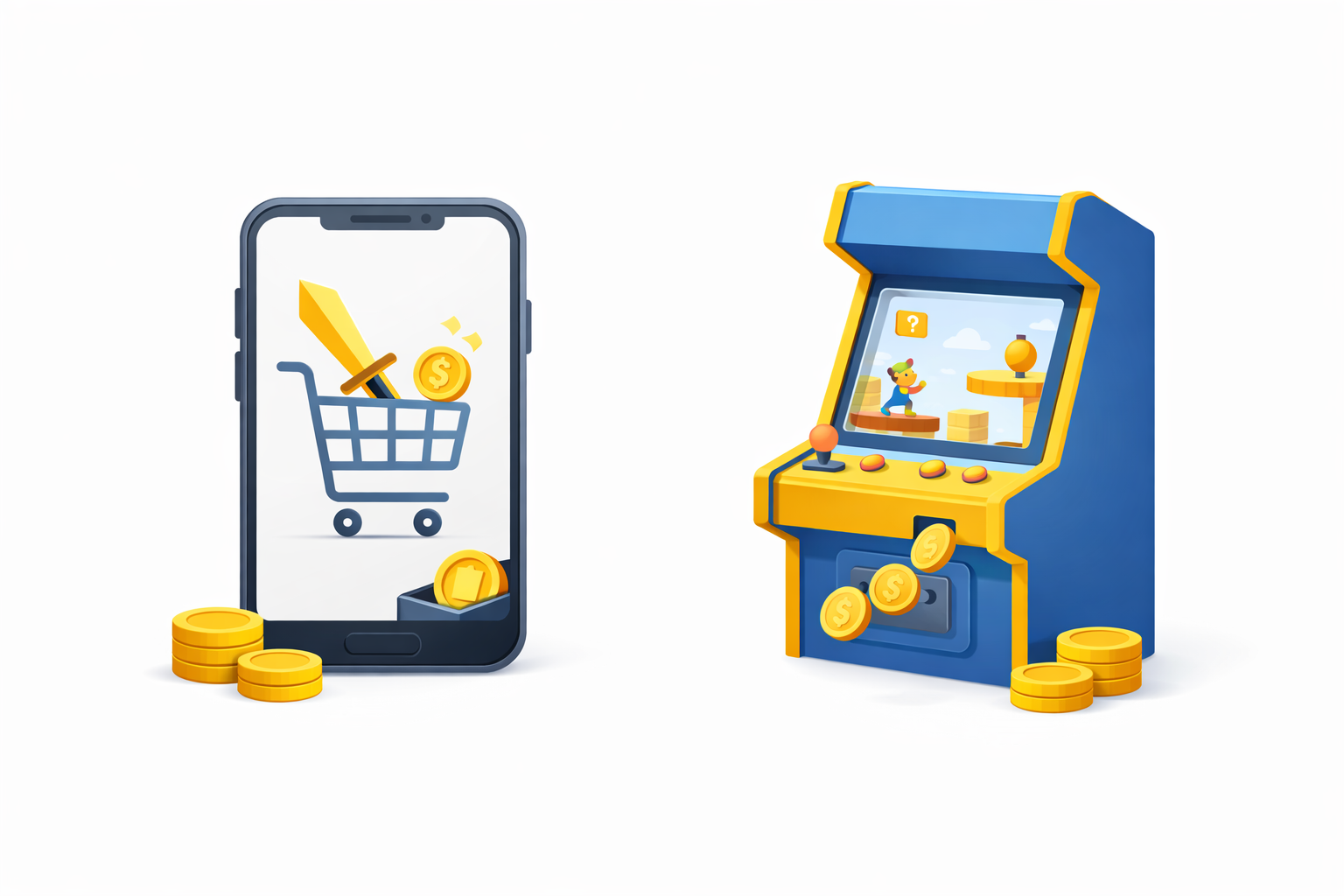
Think of your smartphone screen as a modern video arcade. You do not pay an admission fee to walk in the door, meaning the app costs nothing to download, but the specific features inside are designed to accept your “quarters” once you are already having fun. This low-barrier entry is intentional, ensuring the maximum number of people enter the ecosystem before being asked to open their wallets.
Once inside, the business model shifts to selling virtual goods within free applications. Whether it’s a flashy outfit for a video game character or a “super like” to get noticed on a dating platform, these items have near-perfect profit margins. Unlike a physical grocery store that must pay to restock shelves, a developer can sell the same digital sword or profile boost a million times without any additional manufacturing costs.
In-app purchase strategies for non-gaming apps rely heavily on the psychology of impatience and social status. You might pay a dollar to remove a timer that prevents you from working, or spend small amounts to unlock filters that make your photos look professional, effectively trading loose change for immediate convenience or prestige.
While spending ninety-nine cents seems trivial in the moment, millions of users making that choice creates a massive revenue stream that solves the puzzle of how to get paid for free apps. Yet, not every business relies on these impulsive, piecemeal micro-payments; many offer a structured VIP experience through freemium and subscription models.
From Basic to VIP: Decoding the Freemium and Subscription Puzzle
Imagine walking into a local gym where the treadmills are open to everyone, but the sauna and personal trainers require a monthly membership. This illustrates the freemium business model for mobile applications: developers give away the core product to attract a massive crowd while reserving the best tools for those willing to upgrade.
You might wonder how a company stays afloat when ninety-five percent of its users never spend a dime. The math relies entirely on a small group of dedicated “Power Users” who find enough value to pay a recurring fee. Monetizing a free app through subscription services works because the subscription fees from that professional five percent effectively subsidize the server costs for the millions of free users.
Apps typically encourage you to upgrade by hitting specific limits on capacity or capability. A cloud storage app might let you save one thousand photos for free before asking for a credit card, whereas a music app might hold back the ability to skip songs. This approach focuses on selling long-term utility rather than the impulse buys found in games.
While freemium vs paid app revenue models explain how tools like Spotify succeed, some apps never ask you for money directly. Instead of charging you for a VIP experience, these services act as invisible matchmakers, collecting fees by introducing you to other companies that want your business.
The ‘Invisible Matchmaker’: How Lead Generation and Affiliate Fees Pay Your Bills
When you use a “free” comparison tool to find cheap flights or a better credit card, the app isn’t just being helpful; it is acting like a digital real estate agent. Just as an agent earns a commission for introducing a buyer to a seller, these apps earn a “finder’s fee”—technically known as lead generation as an app monetization strategy—every time they successfully send you to a partner’s website. You don’t pay this fee directly, but the airline or bank pays the app for bringing them a new customer.
This strategy relies on affiliate marketing integration in mobile software, turning the app into a smart billboard that only charges advertisers when you actually click or buy. You will most commonly see this invisible economy operating in industries where a new customer is highly valuable:
- Personal Finance: Budgeting apps suggesting credit cards or loans.
- Travel: Booking sites aggregating flight and hotel options.
- E-commerce: Coupon tools taking a percentage of your final purchase.
Beyond simple referrals, some financial apps take a tiny sliver of the money moving through their system, relying on transaction fees in fintech app monetization to stay free. For example, stock trading platforms often sell the right to execute your trade to larger firms behind the scenes. However, when an app doesn’t sell subscriptions or generate leads, the business model usually shifts to something more abstract: using your activity patterns to draw a map for other corporations.
Your Data as a Map: How Anonymized Insights Fund Essential Tools
Many users assume that if an app tracks them, it must be reading private messages, but the reality is usually far less personal. Instead of selling your specific identity, developers often strip away your name and combine your actions with millions of others to create a “heatmap” of human behavior. This process turns your individual footsteps into a valuable statistical map that corporations pay to see.
Consider a free weather app that requests access to your location services. While you check the forecast, the app aggregates movement trends from its entire user base to help city planners reduce traffic jams or assist retail chains in choosing the best corner for a new store. This explains how apps profit from user data collection by selling valuable market research rather than personal secrets.
Profitable ventures sometimes emerge by selling the technology itself rather than just the data it gathers. A developer might create a polished navigation tool for consumers to prove it works, then repackage the underlying code for logistics companies, effectively generating revenue through white labeling software. By testing the engine on free users, they create a premium product for business clients.
This approach allows companies to subsidize your free tools by solving expensive problems for other businesses. It is a complex but effective method for building a sustainable app business without advertising, though it requires a keen eye to recognize. You can cut through the noise by verifying a few key details before you install.
Spotting the ‘Catch’: A 3-Step Checklist to Understand Any App’s Business Model
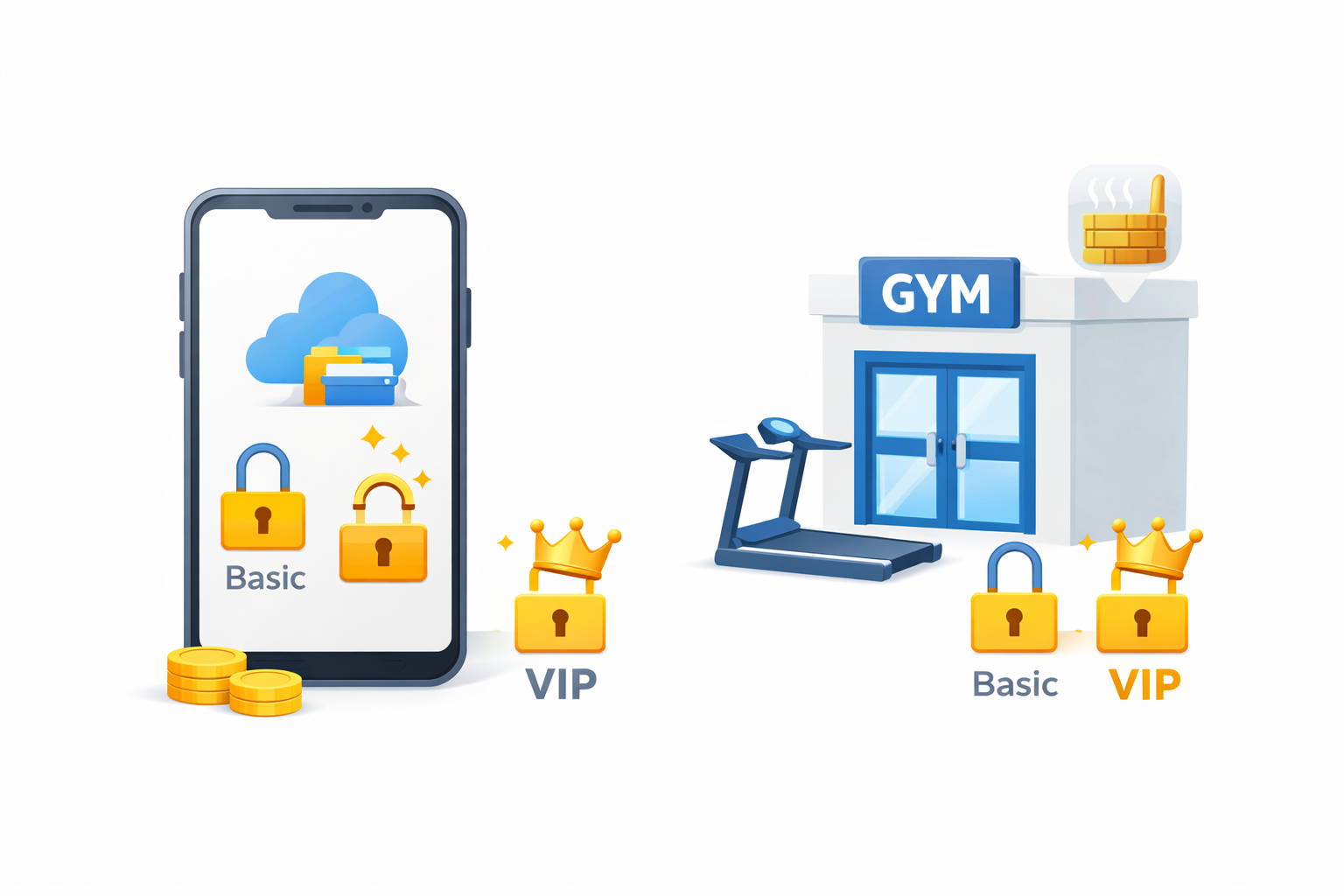
Recognizing how free apps make money without ads transforms your phone from a mystery box into a transparent marketplace. You can now distinctively spot the “Arcade” selling extra lives, the “Gym” offering premium memberships, or the “Matchmaker” earning commissions on referrals. This knowledge reveals that while figuring out how to build a sustainable app business without advertising is a challenge for creators, the solutions don’t always require selling your private life.
Apply this 30-second audit to any new download:
- Look for Upgrades: Is there a “Store” tab for items or a “Go Pro” button?
- Spot the Partners: Does the app recommend specific products, insurance, or services?
- Check Permissions: If there is no store and no partners, does it ask for sensitive data like location?
While niche tools might survive on mobile app crowdfunding, most successful apps have a clear strategy. You are now equipped to support the ones that align with your values.
Implementing freemium or subscription models often depends on the development tools used to build the application. Modern no-code and AI-assisted app builders now make it easier for entrepreneurs and educators to create apps that support subscriptions, premium upgrades, and in-app purchases without coding. For example, platforms such as nandbox allow creators to build native iOS and Android apps using visual tools and automation, enabling them to focus more on the business model and user experience rather than complex technical development.
Q&A
What are the main ways free apps make money without showing ads?
Most use one or a mix of these models: the “Arcade” (microtransactions for virtual goods or convenience), the “Gym” (freemium with paid subscriptions for premium features), the “Matchmaker” (lead generation and affiliate fees when they refer you to partners), transaction-based revenue in fintech (tiny cuts on money movement or routing trades), and selling anonymized insights or the underlying technology itself (white labeling) to businesses. A small minority rely on crowdfunding.
How do microtransactions differ from subscriptions, and why would an app choose one over the other
Microtransactions (“Arcade”) monetize impulse and status—think paying to skip a timer, add a photo filter, or buy a game skin—with near-zero marginal cost per sale. Subscriptions (“Gym”) sell ongoing utility—storage beyond a cap, unlimited skips, or pro tools—and depend on a small group of power users whose recurring fees subsidize free users. Apps favor microtransactions when quick, bite-sized perks fit the experience, and subscriptions when long-term capability and reliability matter.
Does “data monetization” mean an app sells my private messages or identity?
Usually no. The common approach is aggregating and anonymizing behavior to create statistical “heatmaps” (e.g., location trends from a weather app) that help organizations make decisions, rather than selling your personal messages. Permissions still matter—if there’s no store and no partners but the app requests sensitive data like location, assume it may fund itself with anonymized insights. Some teams also monetize by selling the technology they built (white labeling) to business clients, not your identity.
How do lead generation and affiliate fees work in free apps, and where will I see them?
These apps act like matchmakers: when they steer you to a partner and you click or buy, they earn a commission. You’ll see it most in high-value customer markets—personal finance (credit cards, loans), travel (flights, hotels), and e-commerce (coupons, cash-back). In fintech, some also take small transaction-related fees or sell the right to execute trades behind the scenes. Clues include product recommendations, “best offer” comparisons, or checkout links to partner sites.
How can I quickly tell which business model a free app is using?
Use the 30-second audit:
- Look for upgrades: a Store tab, “Go Pro,” or consumable add-ons signal microtransactions or subscriptions.
- Spot partners: recommendations for cards, insurance, travel, or shopping hint at lead-gen or affiliate fees.
- Check permissions: if there’s no store and no partners but it asks for sensitive data (like location), anonymized insights (or B2B tech sales) likely fund it.