
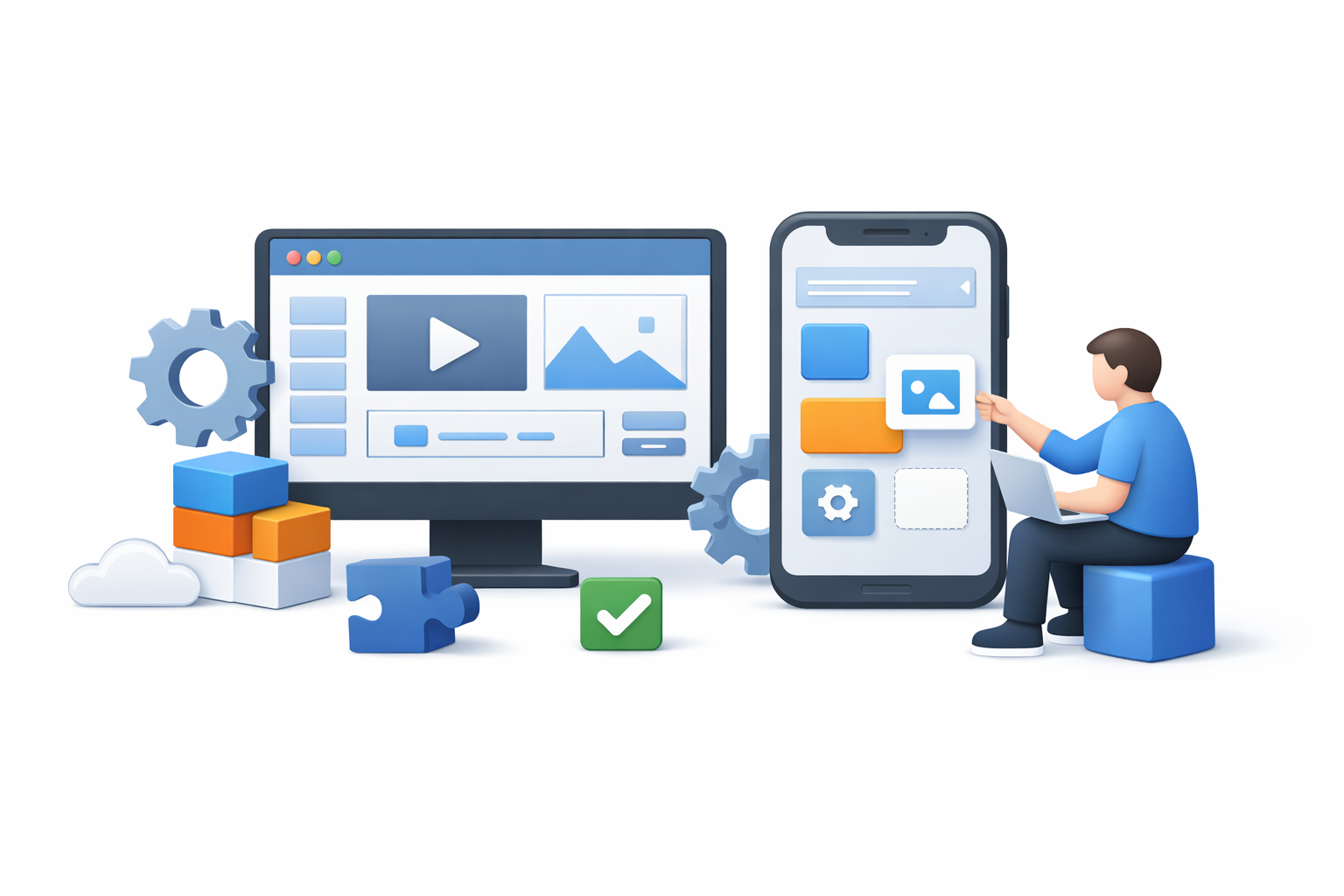
The demand for no code development platforms has surged in recent years, allowing users to create software without traditional coding skills. These platforms enable businesses to innovate quickly and efficiently, bridging the gap between technical and non-technical staff. There are two main types of no code platforms: web-based builders and native app builders. Web-based platforms typically generate Progressive Web Apps (PWAs), which function in browsers and provide a seamless user experience. In contrast, native app builders create true native applications for iOS and Android, offering enhanced performance and access to device features.
In this article, we’ll explore the top no code platforms transforming business operations in 2026.
No code development refers to the use of visual tools and pre-built templates to create software applications without the need for traditional programming. It enables individuals with little to no coding experience to develop functional applications, streamline workflows, and design websites efficiently. This approach democratizes technology, allowing more people to bring their digital ideas to life.
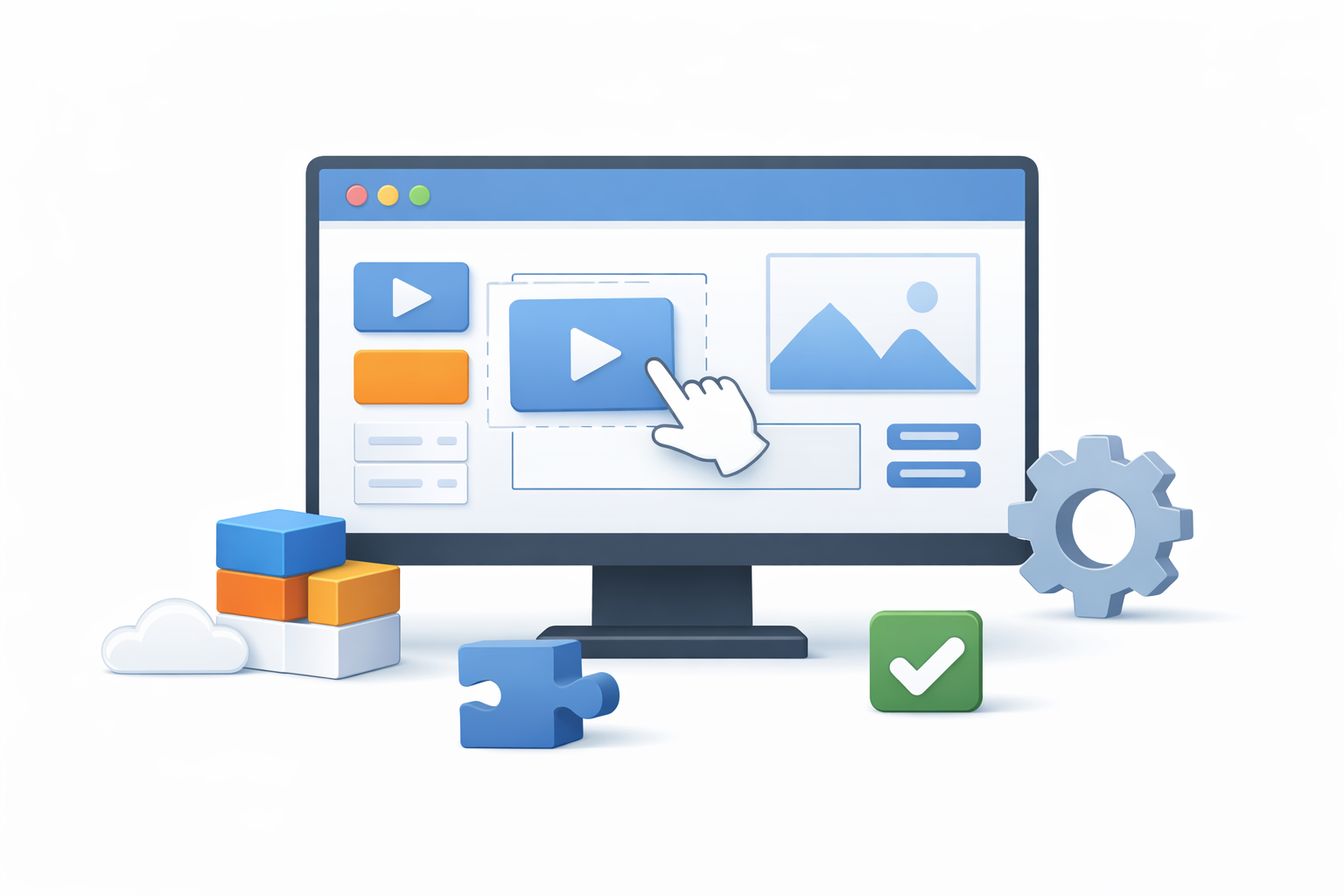
No code platforms are defined by their user-friendly interfaces and visual development tools. They typically offer drag-and-drop functionality, which simplifies the process of building applications. Users can select components from a library and place them into their projects without dealing with complex code. Additionally, these platforms often come with pre-built templates that serve as starting points for development, further reducing the complexity involved.
The growth of no code development has been meteoric, driven by the increasing need for rapid digital transformation. As businesses strive to keep pace with technological advancements, no code solutions have emerged as a viable alternative to traditional software development. The evolution from simple website builders to comprehensive platforms capable of handling complex applications has expanded the possibilities for businesses of all sizes.
No code platforms significantly enhance business innovation by lowering the barriers to application development. With these tools, businesses can quickly prototype new ideas, test them in the market, and iterate based on feedback. This rapid development cycle fosters a culture of experimentation and innovation, enabling companies to stay ahead in competitive markets. Moreover, by empowering non-technical staff to contribute to the development process, organizations can harness diverse insights and ideas.
Benefits of No Code Platforms
- Accessibility: No code platforms lower the barrier to entry, allowing non-developers to create and manage applications. This democratization of technology means that anyone with a creative idea can bring it to life, regardless of their technical background. As a result, innovation is no longer confined to IT departments but is a collaborative effort across the organization.
- Speed: They enable rapid prototyping and deployment, significantly reducing the time to market. In today’s fast-paced business environment, being first to market can be a crucial advantage. No code platforms allow businesses to quickly test ideas and launch products, giving them the agility needed to respond to market changes swiftly.
- Cost-Effective: Businesses can save on development costs as fewer technical resources are required. Traditional software development involves hiring skilled developers, which can be expensive. By using no code platforms, companies can allocate resources more efficiently, investing in other areas such as marketing or customer engagement.
- Flexibility: Users can quickly adapt applications to changing business needs without extensive re-coding. This flexibility ensures that businesses can pivot their strategies as needed, adapting to new opportunities or challenges without the burden of re-engineering entire systems.
Leading No Code Platforms
Here’s a look at some of the leading no code platforms that are revolutionizing the tech landscape:
1. nandbox
nandbox is an AI-powered native no-code app builder designed for businesses that want to create fully native iOS and Android apps without writing code. Unlike many no-code platforms that primarily generate web apps or progressive web apps (PWAs), nandbox focuses on producing real native mobile applications that can be published directly to the Apple App Store and Google Play.
2. Bubble
Bubble is a no code platform that enables users to build web applications using a drag-and-drop interface. It features customizable elements and robust database management, making it suitable for a range of projects from simple prototypes to comprehensive web applications.
3. Webflow
Webflow combines visual design tools with CMS functionality, allowing users to create responsive websites. It supports custom designs and includes SEO tools to optimize sites for better visibility, making it popular among web designers.
4. Zapier
Zapier is a no code automation tool that connects various applications to streamline workflows. Users can create automated workflows, known as “Zaps,” which help reduce manual processes and improve operational efficiency.
5. Adalo
Adalo is designed for building mobile applications with a user-friendly drag-and-drop interface. It allows users to create fully functional apps quickly and can integrate external APIs to customize app capabilities.
6. OutSystems
OutSystems is aimed at developing enterprise-grade applications with advanced features such as AI-driven development and extensive integration options. The platform emphasizes scalability and security for complex business needs.
7. Mendix
Mendix offers a no code platform that fosters collaboration between IT and business teams. With visual development tools, it supports rapid deployment and flexible scalability, suitable for enterprises seeking agile solutions.
8. Lobe
Lobe enables users to build and train custom machine learning models without coding. It features a drag-and-drop interface for assembling components, making AI model development accessible to non-experts.
9. Teachable Machine
Teachable Machine is a user-friendly platform that allows users to create simple machine learning models using their data. It supports real-time training for various applications, making it suitable for educators and hobbyists.
Native No-Code Mobile App Builders
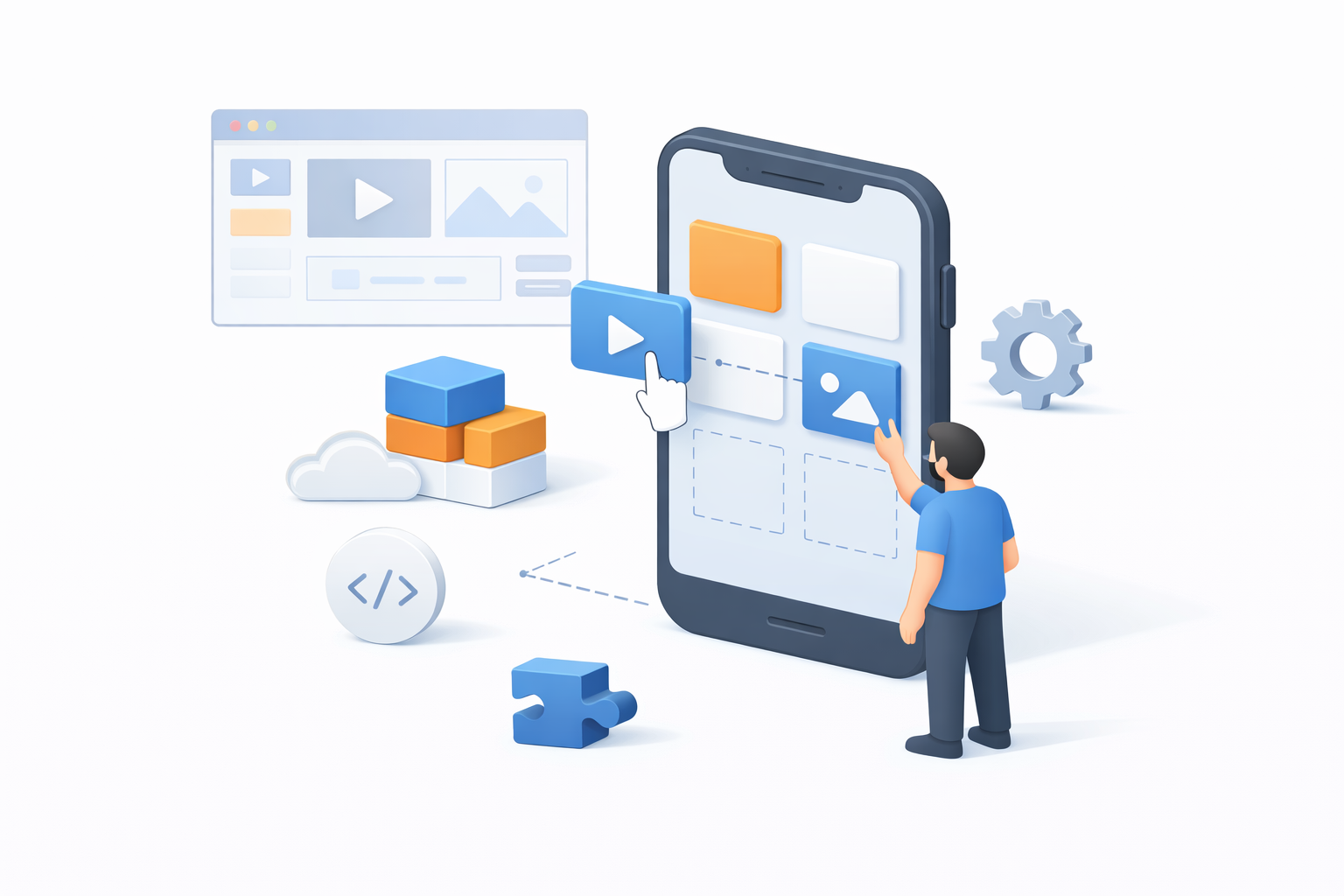
Native no-code mobile app builders differ significantly from web-based platforms. While web apps are designed to run in a browser and can function across various devices, fully native mobile apps are developed specifically for iOS or Android operating systems. This specialization allows native apps to take full advantage of device features, resulting in better performance, smoother user experiences, and enhanced capabilities such as offline functionality and access to hardware like the camera and GPS.
Native performance matters because it directly impacts user satisfaction and engagement. Users generally expect fast load times and seamless interactions, which are best delivered through native applications. Additionally, native apps can leverage the latest platform-specific features and updates, ensuring they remain competitive and functional in a rapidly evolving tech landscape.
Platforms like nandbox serve as AI-powered native no-code app builders, offering businesses an opportunity to create high-quality native applications without requiring coding expertise. One key advantage of using native no-code builders is the ability to publish these applications directly to app stores, like the Apple App Store and Google Play, facilitating broader audience reach and easier distribution for business applications.
AI-Powered No-Code Platforms
AI integration in no-code platforms enhances the development process by streamlining tasks and improving user experiences. Through AI-driven automation, users can automate repetitive tasks and workflows, significantly reducing the time and effort required for app development. These platforms leverage machine learning algorithms to optimize app generation, making it possible to create sophisticated applications with minimal input.
AI also enables personalization within the applications by analyzing user behavior and preferences. This capability allows businesses to tailor their offerings, ensuring that the end-user experience is both engaging and relevant.
Platforms like nandbox exemplify the integration of AI in no-code development. As an AI-powered native no-code app builder, it streamlines the process of creating fully native mobile applications, providing users with tools that intelligently assist in design and functionality. By harnessing AI, these platforms empower users to innovate more efficiently, turning ideas into functional apps without the complexities of traditional coding.
Conclusion
No code platforms are transforming the way businesses approach development, design, and automation. By democratizing access to technology, they empower individuals and organizations to innovate faster and more efficiently. Whether you’re a small business owner, a startup founder, or part of a large enterprise, no code solutions offer the tools and flexibility needed to stay competitive in today’s fast-paced digital landscape.
By exploring and leveraging these top no code platforms, you can streamline your operations, enhance productivity, and drive business growth in 2026 and beyond. The future of development is here, and it’s more accessible than ever before. Embrace the possibilities and start building the digital solutions that will shape your business’s future.
Frequently Asked Questions
What is no code development, and how does it work?
No code development uses visual tools, drag-and-drop interfaces, and pre-built templates to let users build software without traditional programming. Instead of writing code, you assemble components from a library, configure them visually, and leverage built-in features (like databases, user authentication, and CMS) to create functional apps, websites, and automated workflows. This approach democratizes development by enabling people with little to no coding experience to turn ideas into working solutions.
Why are no code platforms growing so quickly?
The surge is driven by the need for rapid digital transformation. No code platforms cut time-to-market by enabling quick prototyping, testing, and iteration, which fosters a culture of experimentation and innovation. They also lower barriers for non-technical staff to contribute, bringing diverse insights into the development process and helping organizations stay competitive.
What are the main benefits of using no code platforms?
They offer four key advantages:
- Accessibility: Non-developers can create and manage applications, spreading innovation beyond IT.
- Speed: Rapid prototyping and deployment help businesses respond to market changes faster.
- Cost-effectiveness: Fewer specialized development resources are needed, freeing budget for other priorities.
- Flexibility: Apps can be adapted quickly to changing business needs without extensive re-coding.
Are no code platforms suitable for enterprises?
Yes—platforms like nandbox, OutSystems and Mendix are built for enterprise needs. OutSystems offers AI-assisted development, extensive integration with existing systems, and robust security, making it ideal for complex, large-scale applications. Mendix emphasizes collaboration between IT and business teams, rapid deployment, and a cloud-native architecture for scalability and flexibility—all crucial for enterprise-grade solutions.