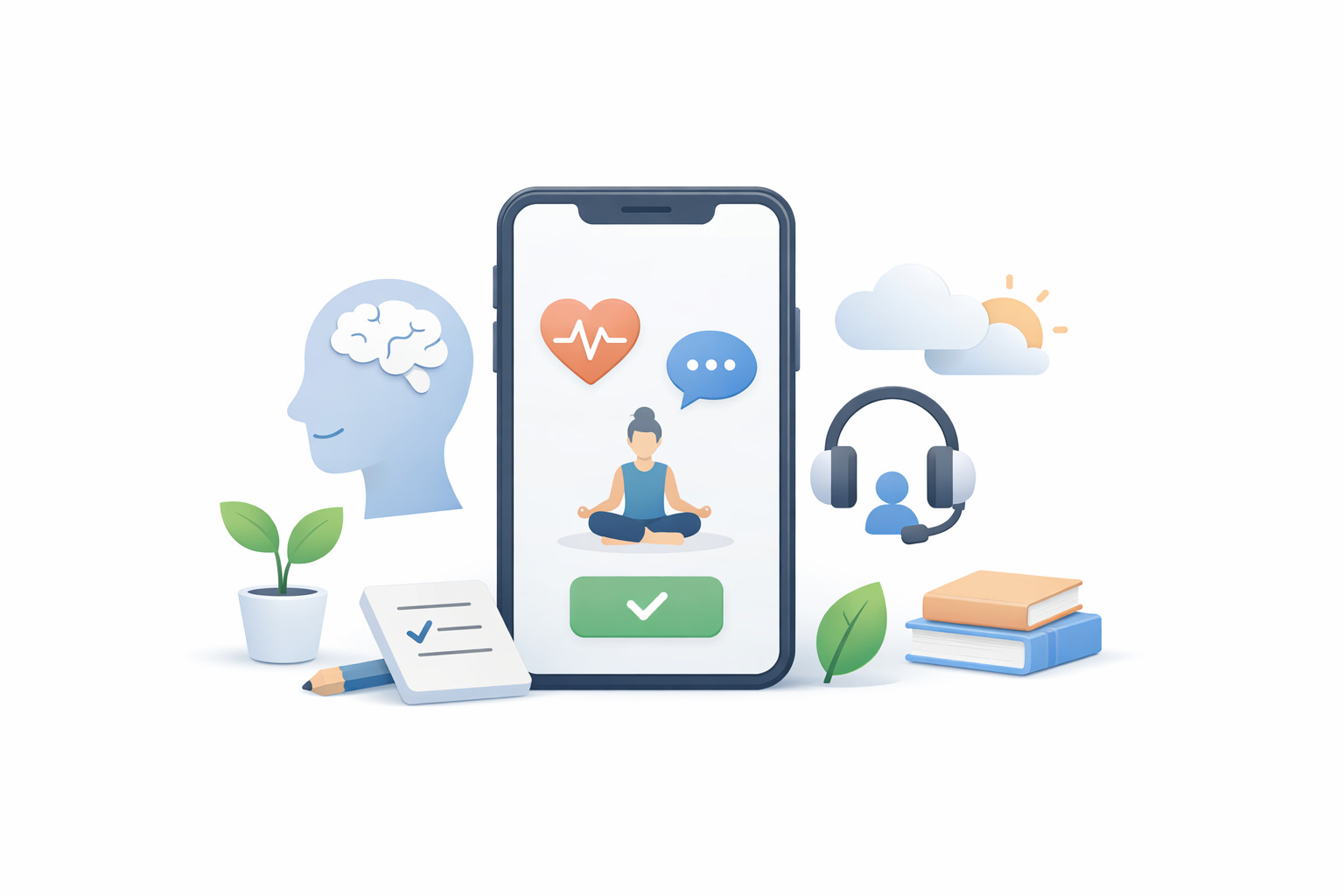
In today’s digital age, mental health apps have emerged as a vital tool for individuals seeking help and support. As more people recognize the importance of mental well-being, the demand for effective digital mental health solutions continues to grow. With the convenience of smartphones and the internet, these apps offer an accessible means for users to manage their mental health at their own pace. If you’re considering mental health app development or developing a mental health app, understanding the process is crucial. This guide will walk you through the essential steps, from conceptualization to launch, ensuring that your app provides a beneficial app user experience. By following these steps, you can create a platform that not only supports users but also contributes to the wider movement of destigmatizing mental health issues.
Understanding the Importance of Mental Health Apps
Mental health apps offer users easy access to resources, support, and guidance. These digital platforms can help reduce the stigma surrounding mental health issues by providing discreet and convenient access to self-care tools and professional support. In a world where the pressure of daily life can sometimes be overwhelming, these apps serve as an immediate source of relief and a first step towards professional help. By developing a mental health app, you contribute to a broader movement aimed at improving public mental health. Your app can serve as a bridge for users who might otherwise hesitate to seek help due to stigma or lack of resources. Furthermore, these apps can provide critical data and insights into mental health trends, helping professionals and organizations to better understand and address the needs of the community. In this context, well-designed mental health solutions can complement clinical care and expand access.
Key Features of a Mental Health App
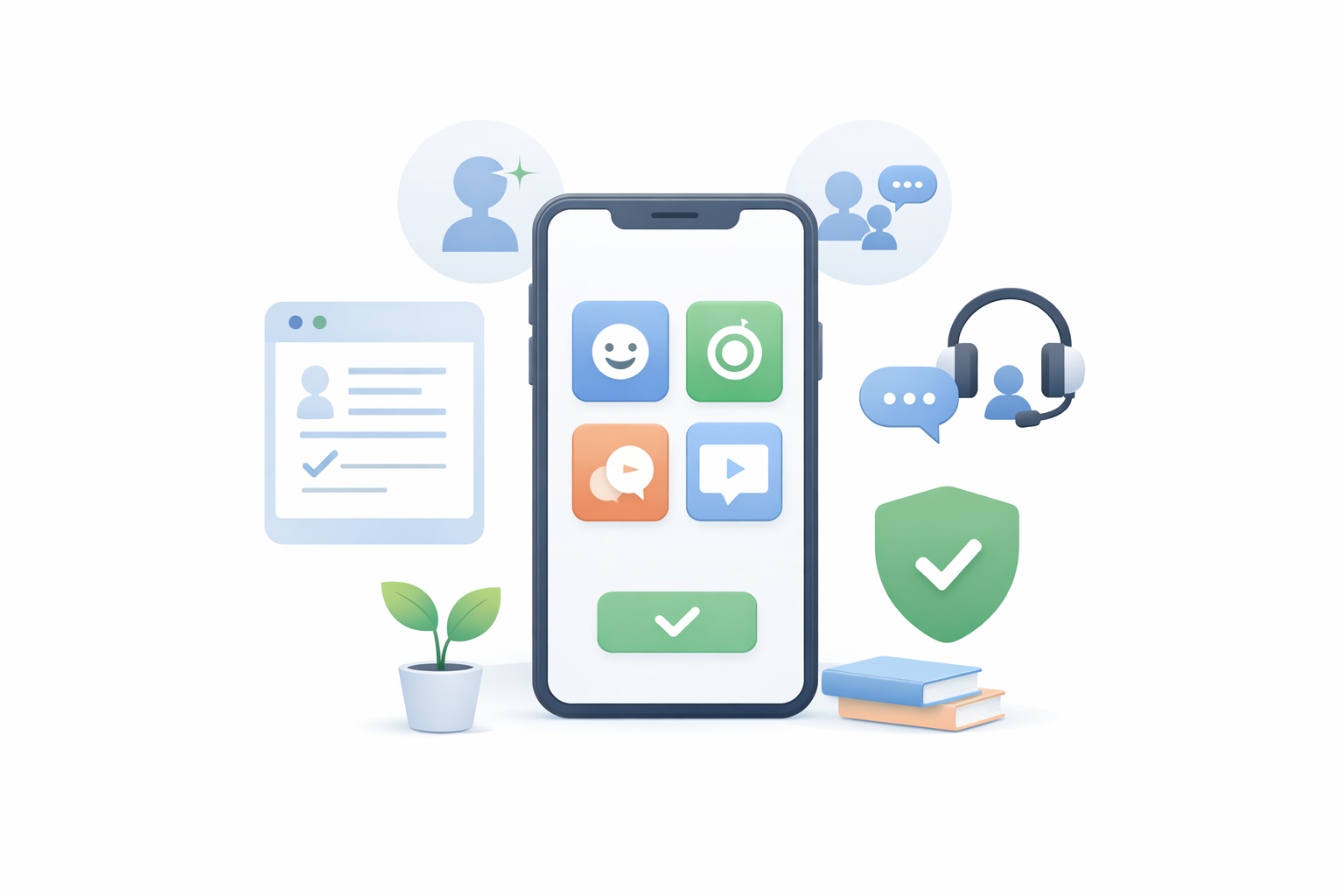
When planning your app, consider the features that will best serve your users. Here are some essential elements to include. Together, these health app features form a strong foundation for usability, safety, and impact.
User-Friendly Interface
A simple, intuitive interface is vital. Users should navigate your app with ease, accessing the tools and resources they need without frustration. Prioritize a clean design and straightforward navigation. This ensures that even those who are not tech-savvy can benefit from the app’s features. A complicated interface can deter users, especially those who may be experiencing distress or anxiety. Therefore, maintaining simplicity and clarity is key to user retention and satisfaction.
Personalization
Allow users to customize their experience. Personalization could include setting mental health goals, tracking progress, or receiving tailored content based on their needs and preferences. By providing personalized content, the app can feel more like a supportive companion rather than a one-size-fits-all solution. Personalization increases user engagement by making them feel understood and valued. Moreover, it can enhance the effectiveness of the app, as users are more likely to engage with content that resonates with their personal experiences and goals.
Supportive Content
Provide a range of resources, such as articles, videos, and guided exercises. Ensure the content is evidence-based and developed in collaboration with mental health professionals. This not only adds credibility to your app but also ensures that users receive accurate and helpful information. Including diverse content types caters to different learning preferences and keeps users engaged. Additionally, regular updates to this content can keep the app fresh and relevant, encouraging users to return frequently for new insights and exercises.
Community Features
Building a sense of community can enhance user engagement. Consider adding features like forums or group chats where users can connect and support each other. This social aspect can provide users with a sense of belonging and reduce feelings of isolation. Such features encourage peer support, which can be incredibly empowering and comforting. However, it’s essential to moderate these communities to ensure they remain safe and supportive spaces. Implementing guidelines and having moderators can help maintain a positive environment.
Professional Assistance
Incorporate options for users to access professional help, whether through in-app consultations, therapy bookings, or emergency contact features. This bridges the gap between digital support and traditional therapy, making professional assistance more accessible. Offering such features can also reassure users that they have a safety net and a pathway to more intensive support if needed. It’s crucial to ensure that these services are easily accessible and clearly communicated to users, so they know how to seek help when necessary.
Data Security
Ensure that user data is protected with robust security measures. Privacy is especially important in mental health apps, where sensitive personal information is involved. Implementing features like encryption and secure authentication can help protect user data from breaches. It’s also important to be transparent with users about how their data will be used and stored, building trust and confidence in your app. Regular security audits can further ensure that your app remains a safe space for users.
Steps to Develop a Mental Health App
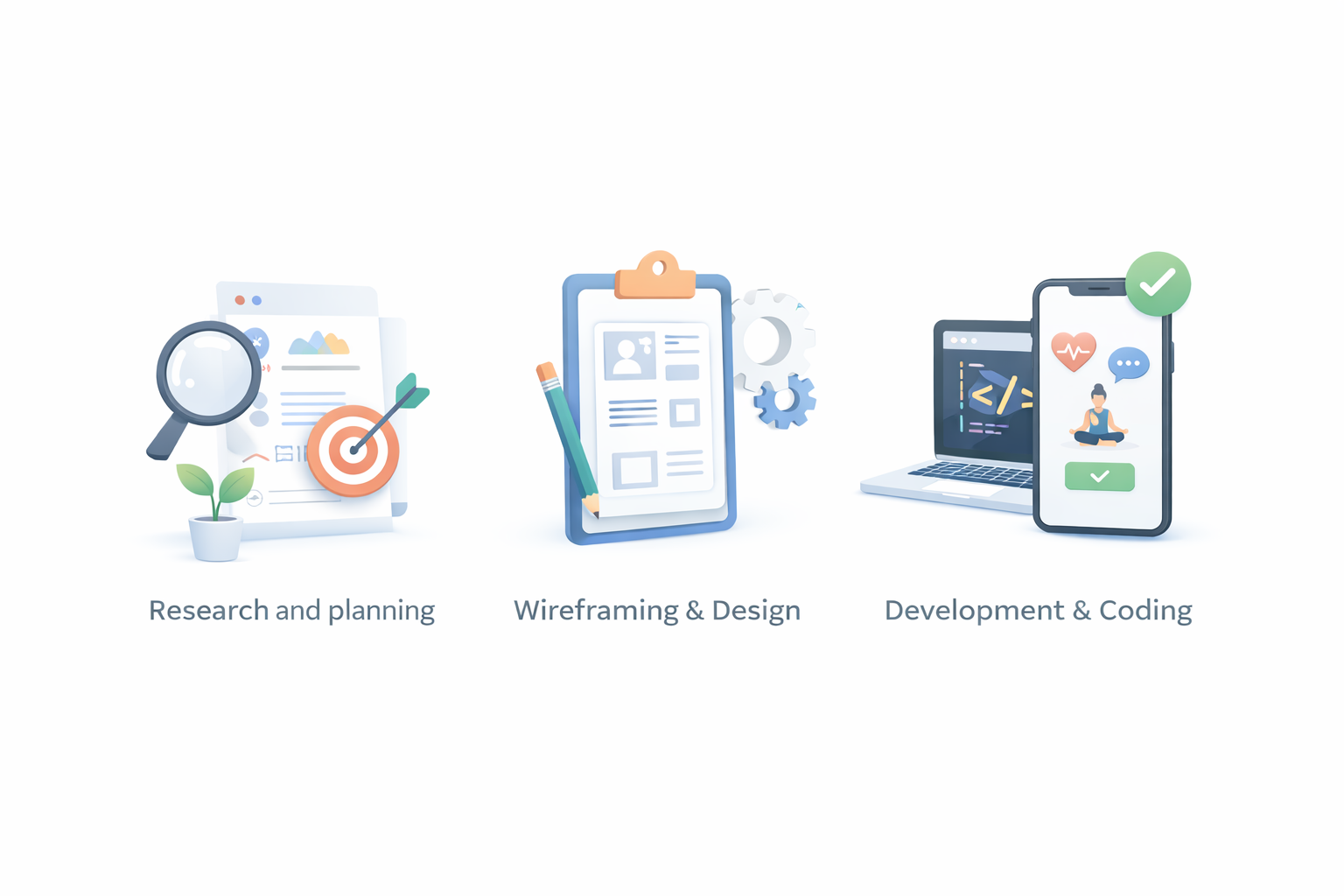
These app development tips will help you plan, build, and refine a product that offers lasting value.
Research and Planning
Before starting development, conduct thorough research. Understand your target audience’s needs, preferences, and pain points. Analyze existing apps to identify gaps in the market and opportunities for innovation. This research phase is critical to defining the unique value proposition of your app. By understanding what your competitors offer and where they fall short, you can develop features that provide added value to users. Consider conducting surveys or focus groups to gather direct feedback from potential users, providing valuable insights to guide your development.
Collaborate with Professionals
Work with mental health professionals to ensure your app’s content is accurate and beneficial. Their expertise will help you create a credible and trustworthy platform. Collaborating with professionals not only enhances the app’s content but also provides invaluable insights into user behavior and needs. These partnerships can also extend to involving professionals in ongoing app updates, ensuring that content remains relevant and based on the latest research. Establishing these relationships early can also help with future marketing efforts, as endorsements from respected professionals can enhance your app’s reputation.
Choose the Right Development Team
Selecting a reputable mental health app development company is critical. Whether you partner with a company or specialized mental health app development services, look for developers with experience in health app features, wellness app design, and mental health technology. Their expertise will help bring your vision to life. A skilled team can navigate the technical challenges and ensure that your app is not only functional but also scalable and adaptable to future needs. Additionally, choosing a team that aligns with your vision and values can make the development process smoother and more collaborative.
Design and User Experience
Focus on creating an engaging and seamless user experience. The app’s design should be appealing and functional, with special attention to accessibility. Include features that cater to various user needs, such as customizable text sizes or color schemes for those with visual impairments. An inclusive design approach ensures that the app is accessible to a wider audience, including those with disabilities. Consider conducting usability testing with a diverse group of users to identify any potential barriers and refine the design accordingly. A strong focus on app user experience here will support long-term engagement.
Backend Development
The backend is the backbone of your app. It manages data, user authentication, and communication between the app and servers. Consider the backend development cost of a mental health app—often researched under phrases like “backend development cost mental health app” or “backend development cost mental health app us healthcare”—especially in the US healthcare market, where compliance with regulations like HIPAA is required. A robust backend ensures smooth app performance and secure data handling. It’s crucial to work with developers who understand the importance of compliance and can implement the necessary safeguards to protect user information.
Testing and Iteration
Test your app thoroughly to ensure it functions correctly and provides a positive user experience. Gather feedback from beta testers and iterate on your design and features based on their input. Testing is not a one-time process but an ongoing effort to refine and improve the app. Consider using a mix of automated and manual testing to cover all aspects of functionality and user experience. Regular updates based on user feedback demonstrate that you value their input and are committed to providing the best possible service.
Launch and Marketing
Once your app is ready, plan a strategic launch. Use marketing channels that reach your target audience, such as social media, mental health forums, and partnerships with mental health organizations. A well-executed launch can significantly impact your app’s initial success and user acquisition. Consider offering promotions or collaborations with influencers in the mental health space to boost visibility. Post-launch, continue to engage with your audience through updates, newsletters, and community events to maintain interest and build a loyal user base.
Continuous Improvement
App development doesn’t end at launch. Continuously update and improve your app based on user feedback and technological advancements. Regularly refresh content to keep users engaged and informed. Staying abreast of industry trends and user needs will help your app remain relevant and effective. Consider creating a roadmap for future updates and features, prioritizing those that enhance user experience and meet evolving demands. Engaging with your user community through feedback channels can provide ongoing insights into areas for improvement.
How to Create a Mental Health App Without Coding? No-Code Development for Mental Health Apps
No-code development refers to the process of creating applications without the need for traditional coding knowledge. This approach empowers startups and organizations to quickly build and deploy mental health apps by utilizing visual interfaces and drag-and-drop functionalities. No-code mental health app development offers a cost-effective and efficient solution for those looking to address the growing demand for mental health support without the barriers of hiring extensive development teams. The accessibility of no-code platforms allows organizations to focus on their core mission: creating a positive impact on mental well-being.
A critical consideration when developing a mental health app is ensuring HIPAA compliance, particularly because mental health apps often handle sensitive health data. HIPAA (Health Insurance Portability and Accountability Act) mandates strict guidelines for safeguarding personal health information (PHI). Any no-code healthcare app must implement features that protect user privacy, securing data through encryption and secure access controls. By selecting a no-code platform that emphasizes HIPAA compliance, developers can assure users that their information is managed safely, fostering trust and credibility.
One notable example of a no-code platform that supports HIPAA-compliant app development is nandbox. This platform simplifies the process of creating a mental health app without coding, providing robust features designed to adhere to privacy regulations. With nandbox, organizations can leverage pre-built mental health app templates that serve as educational tools for understanding app structure, user workflow, and secure feature implementation.
Utilizing no-code development can significantly enhance the journey of creating a mental health app. Startups and organizations can accelerate their project timelines, focus on vital user needs, and ensure they are equipped to handle sensitive information responsibly.
Challenges in Mental Health App Development

Developing a mental health app comes with unique challenges. One of the primary concerns is ensuring data security and user privacy. Compliance with regulations like HIPAA in the US is essential to protect sensitive user information. This involves not only implementing technical safeguards but also educating your team on best practices for data handling and privacy. Another challenge is maintaining user engagement. Mental health apps require ongoing content updates and feature enhancements to remain relevant and beneficial to users. This means staying informed about the latest research and trends in mental health to offer users the best tools and information. Finally, establishing credibility can be difficult. Collaborating with mental health professionals and providing evidence-based content will help build trust with your audience. Regularly showcasing endorsements and collaborations can reinforce your app’s reputation as a reliable resource.
Choosing the Right Mental Health App Development Solutions
When selecting mental health app development solutions, consider factors such as cost, expertise, and support. A custom mental health app development team can provide tailored solutions that align with your vision and goals. They can offer insights into the latest technologies and methodologies that can enhance your app’s functionality and user experience. Additionally, consider the technical aspects of your app. Choose a technology stack that supports scalability and future growth. A scalable solution ensures that your app can handle increased user loads and feature expansions without compromising performance. Prioritize a development team that offers ongoing support and maintenance to ensure your app remains functional and up-to-date. This long-term partnership can be crucial for addressing technical issues promptly and keeping your app competitive in the market. If you lack in-house capacity, partnering with providers that specialize in mental health app development services can accelerate delivery while maintaining quality.
Conclusion
Developing a mental health app is a rewarding endeavor that can make a significant impact on users’ lives. By understanding the essential features, challenges, and steps involved, you can create a valuable tool that supports mental well-being. Whether you’re a startup founder or part of an established organization, investing in digital mental health solutions and broader mental health solutions is a meaningful way to contribute to the global conversation on mental health. Incorporate user feedback, stay informed about mental health trends, and continuously improve your app to ensure it remains a valuable resource for those seeking support and guidance. With careful planning and execution, your mental health app can become an essential part of users’ mental health journeys. By fostering a supportive and innovative digital environment, you can empower users to take control of their mental health and improve their quality of life.
Q&A
What core features make a mental health app effective?
Focus on a simple, intuitive interface; personalization (goals, progress tracking, tailored content); evidence-based supportive content (articles, videos, guided exercises created with professionals); safe community elements (forums or group chats with clear moderation); options to access professional assistance (in‑app consultations, therapy bookings, crisis pathways); and strong data security (encryption, secure authentication, transparent data practices, and regular security audits). These features work together to improve engagement, credibility, and user outcomes.
How can I protect user privacy and comply with regulations like HIPAA?
Build privacy in from the start. Use robust backend architecture with encryption in transit and at rest, secure authentication, and least‑privilege access controls. Be transparent about data use and storage, and train your team on privacy best practices. In the US market, ensure your backend and processes align with HIPAA (e.g., compliant hosting, audit trails, BAAs where applicable). Conduct regular security reviews and audits, and choose developers experienced in healthcare compliance to implement safeguards correctly.
What are practical ways to maintain user engagement over time?
Personalize the experience (tailored content, adaptive goals, progress insights), keep content fresh with regular evidence‑based updates, and foster safe peer connection through moderated communities. Continuously test and iterate—use beta feedback to refine features and UX, and plan ongoing improvements post‑launch. Pair this with thoughtful communication (updates, in‑app prompts) so users see evolving value without feeling overwhelmed.
How should I collaborate with mental health professionals during development?
Involve professionals early and continuously. Co-create and review all therapeutic content to ensure it’s accurate and evidence‑based, consult them on user needs and behavior, and keep them engaged for periodic updates as research evolves. Where appropriate, integrate pathways to professional care (e.g., consultations or referrals) and highlight endorsements or partnerships to build credibility and user trust.
What should I look for when choosing a development team and tech stack?
Select a team with proven experience in health/wellness apps, strong UX capabilities, and clear understanding of privacy, security, and regulations (e.g., HIPAA). Ensure they can deliver a scalable, reliable backend and an accessible, inclusive UI. Prioritize partners who offer ongoing support and maintenance, align with your product vision and values, and can advise on a tech stack that supports future growth without sacrificing performance.