We’ve all been trapped in an endless loop with a service bot that doesn’t understand “I want a refund.” Industry data reveals that solving these frustrating wait-time problems is the primary reason companies turn to automation in the first place. Yet, behind that annoying chat bubble is a fascinating machine trying to solve a complex puzzle.
Imagine cloning your most patient employee to answer a thousand customers instantly, never losing their temper. That is the exact promise of chatbot development, which is simply the process of creating software that mimics human conversation. These digital assistants happily take over repetitive tasks so human staff can focus on bigger issues.
Creating this experience requires three key ingredients: the data it reads, the logic it follows, and the screen you touch. Older versions were strictly scripted, following a rigid path like a digital phone menu. By contrast, a modern AI chatbot acts like a well-read librarian, predicting helpful answers to highly unpredictable questions.
To bridge this gap, modern chatbot software relies on natural language processing (NLP), a digital translator that turns messy human speech into clear computer instructions. This translation powers the conversational interface, which is just the digital storefront where humans and machines finally connect.
The Two Types of Digital Brains: Rule-Based vs. AI Chatbots
Some digital assistants feel like basic phone menus, while others hold remarkably natural conversations. This difference highlights the fundamental fork in chatbot design: choosing between a rigid map and a flexible brain.
The first option operates like a strict filing clerk following a flowchart. It relies entirely on scripted logic (a pre-written set of instructions stating “if the user clicks A, then show B”). This path is highly reliable and cost-effective, provided the customer stays strictly on the predefined route.
Conversely, a modern AI chatbot behaves more like a well-read store manager. Rather than forcing users down rigid menus, it utilizes pattern recognition (scanning typed words to predict the most helpful response based on thousands of past examples). It doesn’t truly “think,” but it makes incredibly fast, educated guesses.
Selecting the right tool requires balancing your budget and avoiding over-engineering simple tasks. Consider this breakdown when comparing rule-based vs. AI chatbots:
- Rule-Based: Perfect for predictable, high-volume tasks like password resets, booking haircuts, or checking store hours.
- AI Bots: Ideal for open-ended needs, like offering personalized shopping advice or troubleshooting unique product issues.
Figuring out which digital brain to build is just the beginning of the journey. To make either system work effectively, the machine must translate messy human sentences into concrete computer actions.
How a Bot “Hears”: Mastering Intent Recognition and Entity Extraction
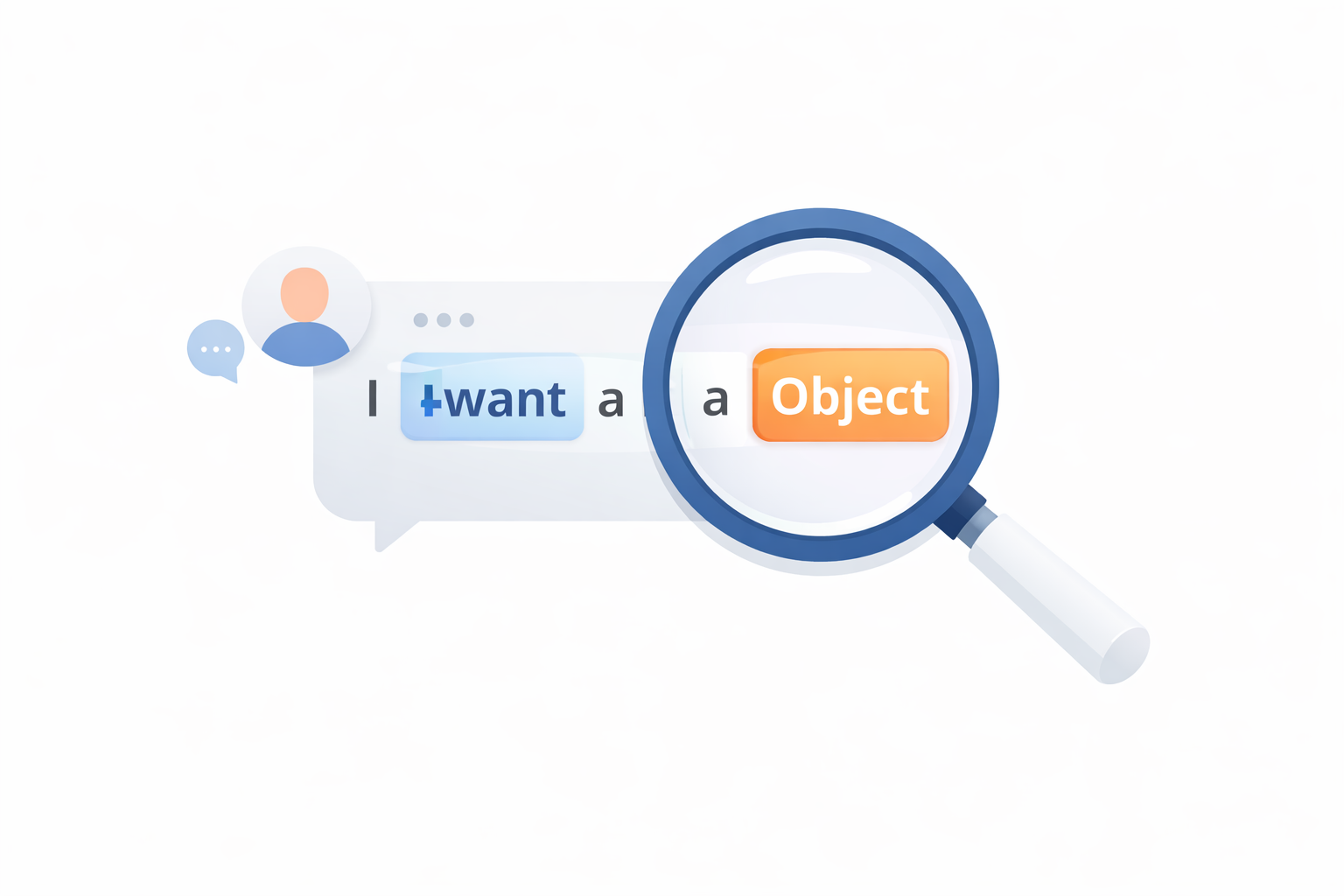
Typing a perfectly clear question into a chat window only to receive a completely irrelevant answer is incredibly frustrating. To prevent this, developers rely on natural language understanding implementation, a system that acts as a digital translator between messy human phrasing and strict computer logic. When you type “I’m craving a pepperoni pie,” the machine doesn’t natively speak English; it must dissect your sentence to figure out your underlying goal rather than just reading the words.
This dissection relies on two crucial steps: figuring out what you want to do and isolating the specific items involved. The difference between intent recognition and entity extraction is just like a waiter taking your restaurant order. The “intent” is the overall action you want to take (ordering food), while the “entities” are the specific details you care about (pepperoni, large size, extra cheese).
Teaching a machine to automatically spot these details requires patience and a good “library” of reference material. If you are wondering how to train a custom NLP model, the secret is simply providing dozens of text examples of how real people talk. You feed the system variations like “Gimme a slice” or “I need a pizza,” but teaching it the surrounding context—like knowing a “hot dog” is a food and not an overheated pet—remains the hardest part of bot development.
Once your digital assistant can reliably translate these messy human requests into clear, actionable data, the logic is finally ready to be put to work. You no longer need a team of programmers to connect these clever translator brains to a friendly storefront.
Building Fast with No-Code: The Rise of AI-Powered Builders
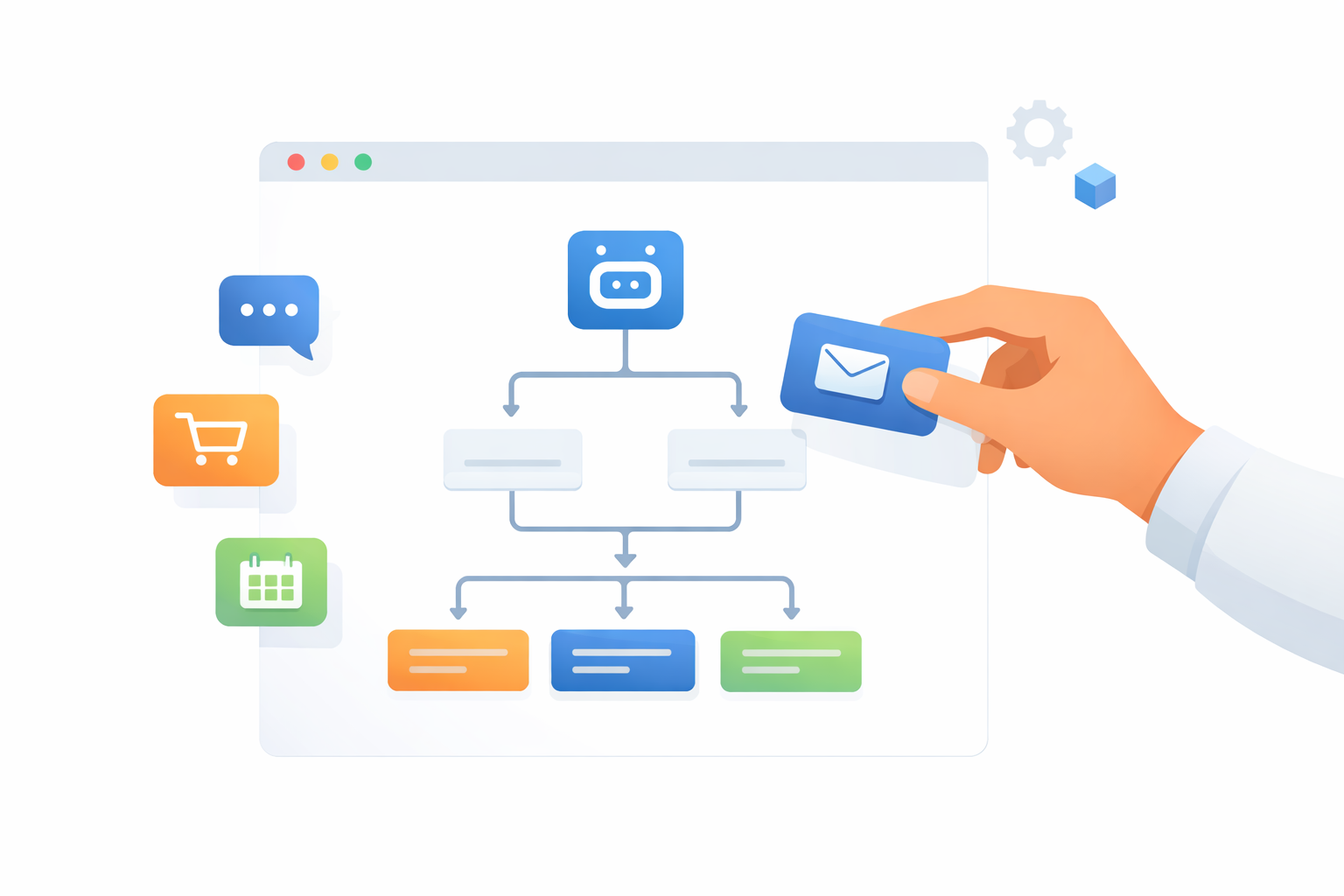
Historically, the staggering cost of building an enterprise virtual assistant meant only massive corporations could afford to create them. Writing custom software from scratch demands months of highly specialized labor and extensive testing. Fortunately, a modern movement called no-code app development has entirely changed who gets to build these digital helpers, turning a highly technical chore into an accessible project.
Think of no-code app builders like assembling digital Lego blocks instead of carving a toy out of raw wood. Rather than typing complex programming syntax, creators use a visual dashboard to drag and drop pre-made actions onto a canvas. If you want your bot to ask for an email address, you simply slide an “Email Request” block right into your conversational flowchart.
Solutions like the nandbox AI-powered no-code app builder make this visual approach highly practical for everyday businesses. Instead of waiting several months for expensive custom coding services, teams can rely on these robust chatbot tools to assemble and launch a smart, fully functional digital storefront in a matter of days.
Ultimately, even the smartest standalone bot needs to securely talk to your existing software to provide real value. Because these platforms include pre-built connections, you avoid hiring engineers just to wire different databases together.
From Silos to Systems: Integrating Bots with CRM and Manufacturing Workflows
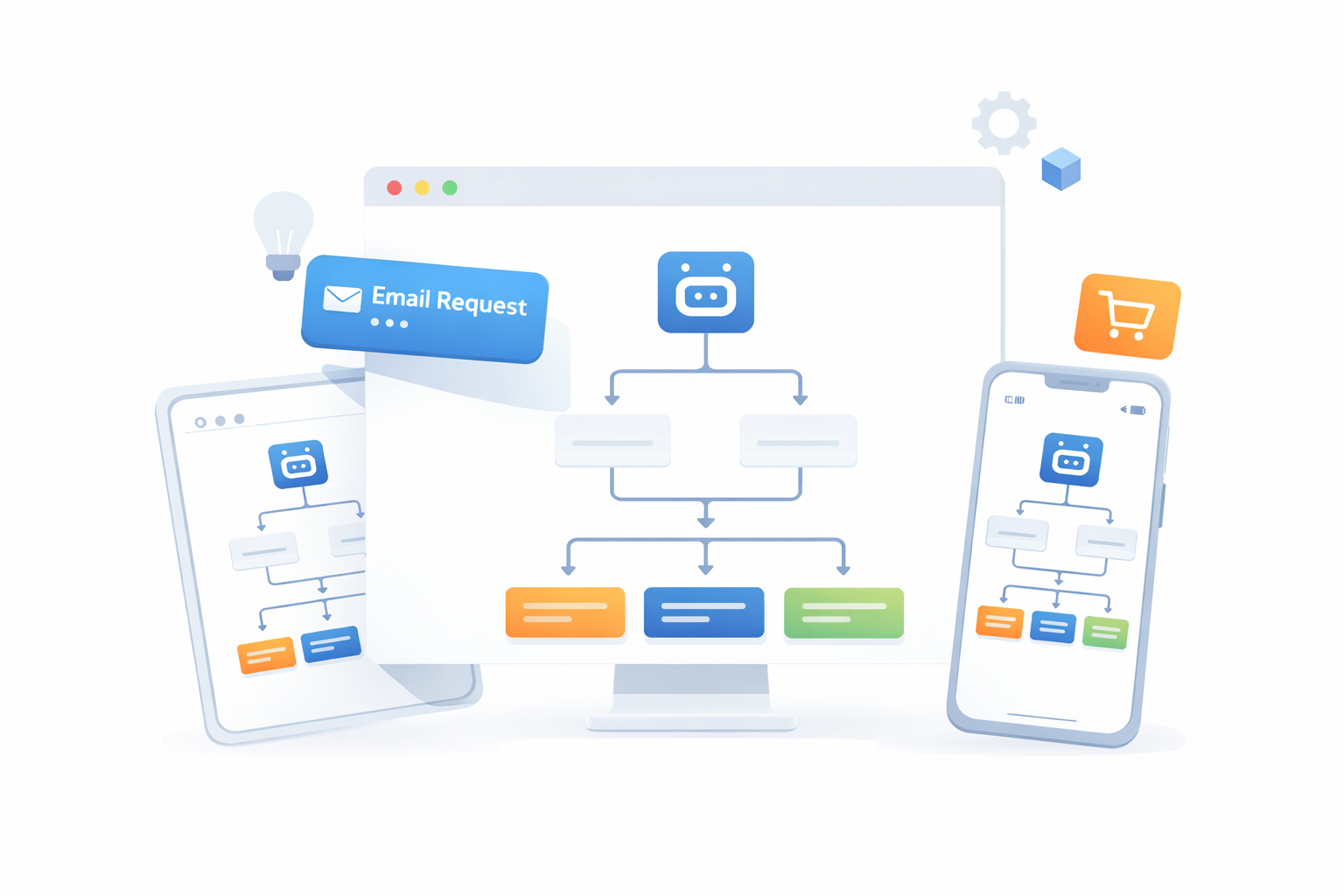
Digital assistants that only give generic answers because they lack personal context offer a poor user experience. The real magic happens through chatbot integration—a digital handshake letting your new assistant check the company files. By integrating chatbots with existing CRM systems (Customer Relationship Management, your digital rolodex), the bot instantly recognizes returning clients, checks their specific order status, and personalizes the experience.
This internal connection proves crucial in physical environments where delays cost money. In manufacturing chatbot development, factory workers can use bots to check parts inventory directly from the warehouse database without ever leaving the assembly line. Ultimately, scaling customer support with automated workflows allows any business to handle thousands of these routine checks instantly, freeing up human employees for complex problem-solving.
Of course, giving a digital assistant access to your internal filing cabinets demands strict rules. When addressing data privacy in automated messaging, follow this four-step checklist to safely connect your tools:
- Data Encryption: Scrambling messages so outside observers cannot read them.
- CRM Syncing: Ensuring the bot only accesses specific, necessary customer files.
- Human Handoff: Seamlessly transferring sensitive account issues to real people.
- Performance Tracking: Monitoring bot conversations to quickly catch and fix errors.
Once securely wired to your company’s data brain, your digital helper still needs good manners. Brilliant technology only succeeds if customers enjoy the interaction.
The Design Secret: Making Bots That People Actually Like Using
Frustrating digital helpers that sound like broken records ruin customer experiences instantly. Successful chatbot creation requires strong conversational interface design principles, the rules for giving software good manners. Like training a receptionist, you must balance a friendly personality with rapid efficiency. Great bots are welcoming but get right to the point, avoiding endless greeting loops.
Connecting this polite script to customer histories turns generic chats into valuable conversations. When a bot remembers a past order, you are improving user engagement through personalized interactions. However, helpful digital assistants never pretend to be human. Building trust means clearly stating their digital nature upfront so visitors feel supported while browsing, rather than deceived.
Giving bots the freedom to write answers introduces unique risks. Builders must prioritize ethical considerations in generative AI bots (systems that invent text instead of reading a set script). Unsupervised AI might confidently share incorrect information, acting like an overeager employee guessing facts. Preventing these mistakes ensures your tool genuinely helps your business.
Measuring Your Digital Employee: ROI and Deployment Strategies
Reach your audience where they already spend their time by exploring deployment strategies for multi-channel bots, such as launching simultaneously on your website and social media.
Beyond the initial novelty, a successful bot must prove its worth. You can calculate true business value by measuring chatbot ROI and performance metrics to ensure your new assistant is actively helping customers. Pay close attention to the following:
- Top 3 metrics to track: Resolution Rate, Average Handle Time, and Customer Satisfaction Score (CSAT).
Start small by creating a 30-day roadmap for launching a first bot as a focused pilot project, like a simple question-and-answer assistant. By using accessible, no-code platforms like nandbox, you can confidently release your creation to the world, transforming your workflow with a tireless digital employee.