
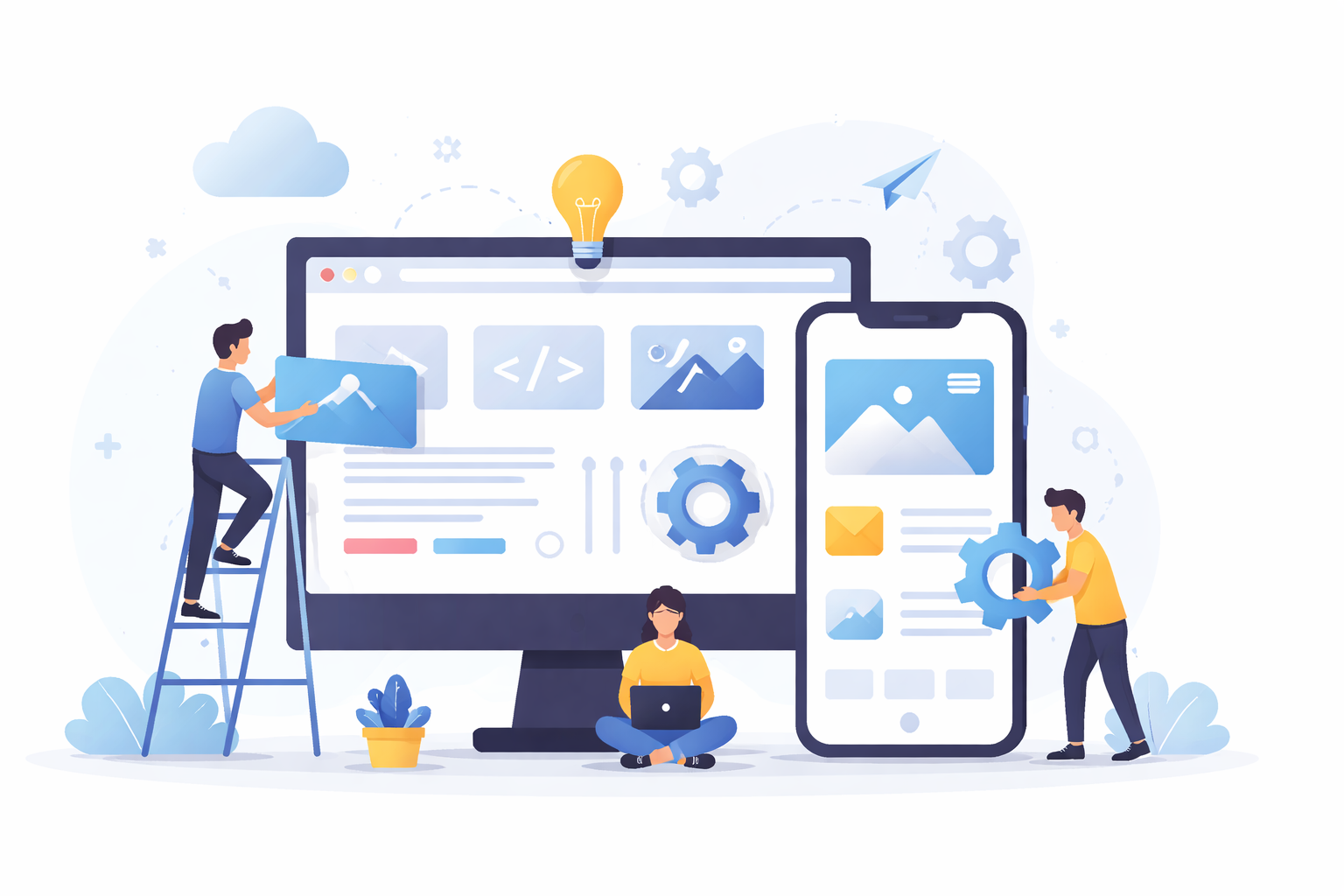
In today’s digital era, businesses need robust web and mobile applications to engage customers and streamline operations. Whether you’re a startup or an established enterprise, understanding the intricacies of web and mobile application development is crucial. This comprehensive app development guide will walk you through the basics, trends, and best practices to help you make informed decisions. Along the way, you’ll find web development tips for building responsive web apps that align with broader software development goals.
Summary
This guide covers core facets of web and mobile application development, including bespoke and cloud-native approaches, essential security practices, and the rise of no-code platforms. It provides practical tips on UX, responsive design, and web app design, plus framework selection—spotlighting Node.js—along with front-end development considerations and industry-specific needs like healthcare compliance and integrations. You’ll also learn about PWAs for app-like web experiences and how to choose the right development partner based on experience, technology stack, and support, including when to evaluate progressive web application development companies and other web software solutions. The key takeaway: pair strong UX and security with the right technologies to build scalable, reliable applications and stay agile amid evolving trends.

Web application development involves creating applications that reside on remote servers and are delivered to users over the internet. Unlike traditional desktop applications, web apps can be accessed through a web browser, making them highly versatile and accessible. These web software solutions let teams iterate quickly and scale usage without complex desktop deployments.
Bespoke Web Application Development
Bespoke web application development (also called custom web application development) refers to custom-built applications tailored to meet specific business needs. These applications offer unique features and functionalities that off-the-shelf solutions cannot provide. By opting for bespoke development, businesses can ensure their app aligns perfectly with their operations and customer expectations.
Custom applications can significantly enhance operational efficiency by automating processes that are unique to a business. This tailor-made approach ensures that all features are relevant and useful, eliminating unnecessary complexities found in generic applications. Furthermore, bespoke applications are scalable, allowing businesses to add new features as they grow without significant overhauls.
The development process often involves close collaboration between the development team and the business stakeholders. This collaboration ensures that the final product precisely meets the business’s requirements and goals. Regular feedback loops and iterative development can lead to higher satisfaction with the final product.
Cloud Application Development
Cloud application development is the process of creating applications that run on cloud infrastructure. This approach offers scalability, flexibility, and cost-effectiveness. By leveraging cloud services, businesses can deploy applications rapidly and scale resources according to demand, thus optimizing operational efficiency across modern software development initiatives.
Applications developed for the cloud benefit from high availability and reliability, as they are hosted on distributed networks. This reduces the risk of downtime, ensuring that services remain accessible to users around the clock. Additionally, cloud platforms often offer robust security features, safeguarding sensitive data from unauthorized access.
Developers can take advantage of various cloud service models such as Infrastructure as a Service (IaaS), Platform as a Service (PaaS), and Software as a Service (SaaS). Each model provides different levels of control, flexibility, and management, allowing businesses to choose the best fit for their needs. Cloud-native applications can also leverage microservices architecture, enhancing modularity and resilience.
Web Application Security
Security is a paramount concern in web application development. Developers must ensure that applications are protected against common vulnerabilities such as SQL injection, cross-site scripting (XSS), and cross-site request forgery (CSRF). Implementing secure coding practices and conducting regular security audits can mitigate these risks.
Encryption is essential for safeguarding data both at rest and in transit. Utilizing HTTPS and Secure Sockets Layer (SSL) certificates can protect data exchanged between users and servers. Additionally, developers should implement robust authentication mechanisms to verify user identities and control access to application features.
Regular updates and patch management are crucial for maintaining security. Developers must monitor for vulnerabilities in third-party libraries and frameworks used in their applications and apply patches promptly. Security training for developers can also help in fostering a security-first mindset, ensuring that security considerations are integrated throughout the development lifecycle.
The Rise of No-Code App Builders
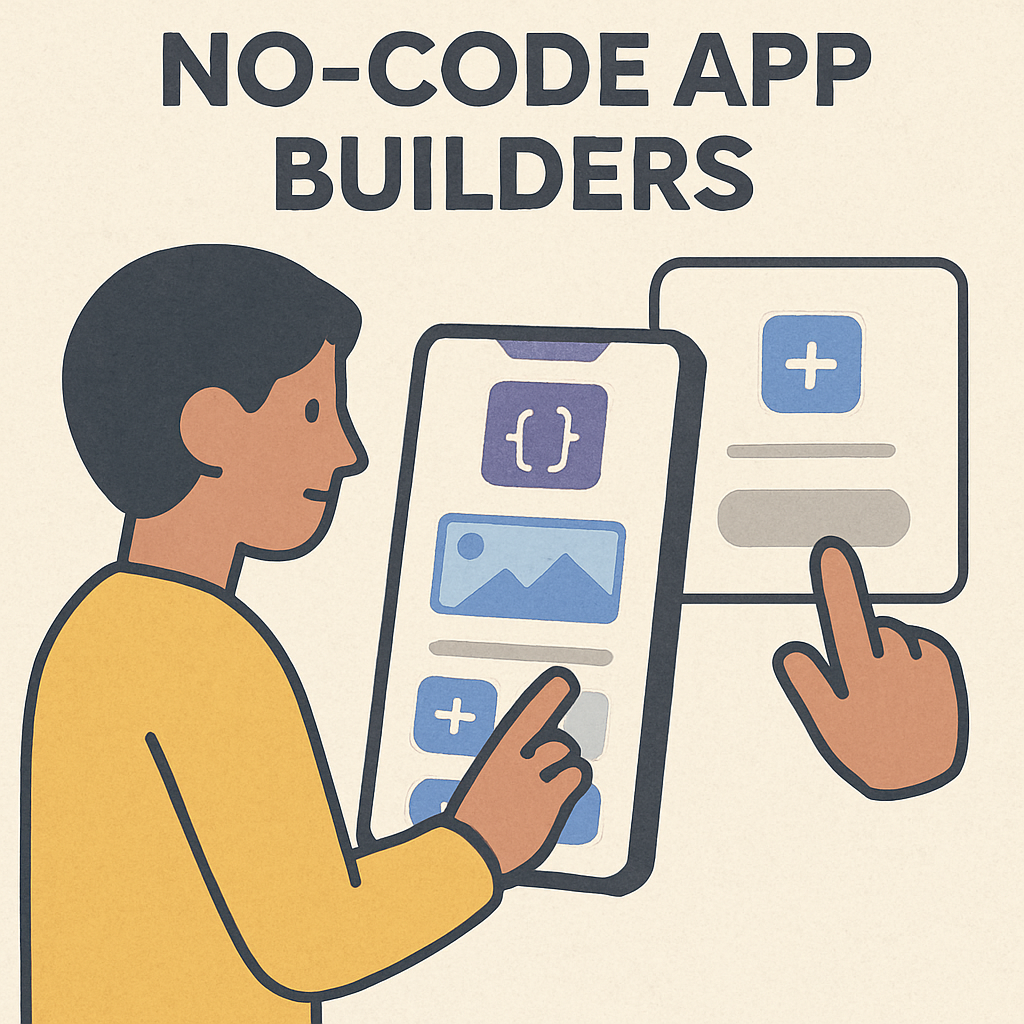
No-code app builders are revolutionizing the software development landscape by empowering non-developers to create applications without writing a single line of code. These platforms offer drag-and-drop interfaces and pre-built components, making app development accessible to everyone.
Benefits of No-Code Platforms
- Speed: Rapid development cycles allow for faster deployment.
- Cost-effective: Reduces the need for hiring specialized developers.
- Accessibility: Empowers business users to take control of the development process.
No-code platforms democratize app development, enabling individuals with little to no technical background to create functional applications. This accessibility fosters innovation within organizations, as employees from various departments can contribute to the development process. By reducing the dependency on IT departments, businesses can accelerate their digital transformation efforts.
These platforms often include a wide range of templates and pre-configured modules, which can be customized to meet specific business needs. This modularity allows for quick iteration and testing, enabling businesses to adapt to changing market demands swiftly. Moreover, no-code solutions can be integrated with existing systems, ensuring seamless operations across platforms. Some providers, such as nandbox, are no-code native app builders that further streamline delivery for teams testing concepts or extending internal tools.
While no-code platforms offer numerous advantages, they may not be suitable for all types of applications. Complex applications requiring extensive customization and integration with legacy systems might still necessitate traditional development approaches. Therefore, businesses should evaluate their requirements and choose the most appropriate development strategy.
Key Web Development Tips
Developing a successful web application requires careful planning and execution. Here are some essential web development tips that support stronger web app design and front-end development for responsive web apps:
1. Focus on User Experience (UX)
The success of a web app largely depends on its user experience. Ensure your app is intuitive, easy to navigate, and provides value to the user. Conduct user testing and gather feedback to refine the UX continuously.
User experience encompasses not just the visual appeal of an application but also its functionality and ease of use. A seamless user journey can significantly enhance customer satisfaction, leading to increased engagement and retention. Designers should employ user-centered design principles, focusing on the needs and behaviors of the target audience.
Regular usability testing is crucial for identifying pain points in the user journey. By observing real users interact with the application, developers can gain insights into areas that require improvement. Iterative testing and feedback loops enable continuous refinement, ensuring that the application evolves with user expectations.
Accessibility should also be a priority in UX design. Ensuring that the application is usable by individuals with disabilities can expand the user base and enhance inclusivity. Adhering to accessibility standards such as the Web Content Accessibility Guidelines (WCAG) can ensure that the application is accessible to all users.
2. Prioritize Responsive Design
In today’s mobile-first world, responsive design is non-negotiable. Ensure your web application adapts seamlessly to various screen sizes and devices, providing a consistent user experience across platforms.
Responsive design involves creating a single website that adjusts its layout and content based on the screen size and orientation of the device being used. This approach eliminates the need for separate mobile and desktop versions, simplifying maintenance and ensuring a consistent brand experience.
Developers should utilize flexible grid layouts, fluid images, and media queries to create responsive designs. Testing the application on a variety of devices and browsers is essential to ensure compatibility and performance. Tools like BrowserStack can facilitate cross-browser testing, allowing developers to identify and address issues efficiently.
The performance of a responsive website is critical to user satisfaction. Optimizing images, minifying code, and leveraging browser caching can enhance loading times, particularly on mobile devices with limited bandwidth. A performance-focused approach to responsive design can lead to higher user engagement and conversion rates.
3. Choose the Right Frameworks
Selecting the appropriate web app frameworks is crucial for efficient development. Popular frameworks like Node.js offer robust features and scalability, making them ideal for modern web applications.
Frameworks provide a foundation for web application development, offering pre-built components and tools that can accelerate the development process. By leveraging frameworks, developers can focus on building unique features rather than reinventing the wheel. The choice of framework should align with the project’s requirements and the team’s expertise.
Node.js, for example, is renowned for its non-blocking, event-driven architecture, which is ideal for real-time applications. Its vast ecosystem of packages and modules available through npm (Node Package Manager) allows developers to integrate additional functionality with ease. Other popular frameworks like React and Angular offer powerful tools for building dynamic, interactive user interfaces and strengthening front-end development and web app design.
When selecting a framework, developers should consider factors such as community support, documentation, and scalability. A well-supported framework with comprehensive documentation can facilitate troubleshooting and knowledge sharing, reducing development time and improving code quality. Scalability considerations ensure that the application can grow with the business’s needs.
The Role of Node.js in Web Application Development

by Favour Usifo (https://unsplash.com/@favour_usifo)
Node.js has emerged as a powerful tool for web application development services, and many providers now offer specialized node js web application development services. Its non-blocking, event-driven architecture allows for efficient handling of concurrent requests, making it perfect for real-time applications.
Benefits of Using Node.js
- Performance: High performance for real-time applications.
- Scalability: Easily scales to handle large user bases.
- Versatility: Supports a wide range of applications, from chat apps to complex enterprise solutions.
Node.js’s single-threaded model with event looping is what makes it scalable. Unlike traditional servers which create limited threads to handle requests, Node.js operates on a single thread using non-blocking I/O calls. This enables it to handle thousands of connections simultaneously without incurring the overhead of thread context switching.
The performance of Node.js is further enhanced by its JavaScript runtime, powered by Google’s V8 engine, which compiles JavaScript into native machine code. This compilation leads to faster execution of code, making Node.js highly efficient for CPU-intensive operations. Its event-driven architecture is particularly suited for building network applications that require constant data exchange, such as real-time chat applications and collaborative tools.
Node.js’s versatility is one of its greatest strengths, allowing it to be used for both front-end and back-end development. This full-stack capability simplifies the development process by enabling code reuse and reducing the need for context switching between different programming environments. Moreover, Node.js’s growing community contributes to a rich ecosystem of libraries and tools that developers can leverage to extend its functionality.
Industry-Specific Applications: Healthcare Web Application Development
The healthcare industry is rapidly adopting web application development to improve patient care and streamline operations. Custom healthcare web applications can offer features like appointment scheduling, patient data management, and telemedicine services.
Key Considerations for Healthcare Apps
- Security: Ensure compliance with healthcare regulations like HIPAA.
- Usability: Design user-friendly interfaces for both patients and healthcare providers.
- Integration: Seamlessly integrate with existing healthcare systems and databases.
Security is a critical concern in healthcare applications due to the sensitive nature of patient data. Compliance with regulations such as the Health Insurance Portability and Accountability Act (HIPAA) in the United States is mandatory. Developers must implement robust encryption and access controls to protect patient information from unauthorized access and breaches.
Usability is equally important in healthcare applications, as they are used by diverse groups including patients, doctors, and administrative staff. The design should be intuitive and accessible, minimizing the learning curve for users. Features such as voice recognition and predictive text input can enhance usability for healthcare professionals who require efficient data entry.
Integration with existing healthcare systems, such as Electronic Health Records (EHR) and Hospital Information Systems (HIS), is essential for ensuring continuity of care. Interoperability standards like HL7 and FHIR can facilitate seamless data exchange between systems, enabling healthcare providers to access comprehensive patient information. This integration can improve clinical decision-making and enhance patient outcomes.
Exploring Progressive Web Applications (PWAs)
Progressive Web Applications (PWAs) combine the best of web and mobile apps, offering fast, reliable, and engaging user experiences. They can be installed on a user’s device and work offline, providing a native app-like experience.
Advantages of PWAs
- Performance: Fast loading times and smooth performance.
- Offline Access: Works without an internet connection.
- Engagement: Push notifications and home screen installation increase user engagement.
PWAs are designed to load quickly, even on slow networks, providing a seamless user experience. By utilizing service workers, PWAs can cache resources and enable offline functionality, allowing users to access content without an internet connection. This capability is particularly beneficial for users in areas with limited connectivity.
The ability to send push notifications allows PWAs to re-engage users by delivering timely updates and personalized content directly to their devices. This feature can significantly enhance user retention and encourage regular interaction with the application. Additionally, PWAs can be installed on the user’s home screen, providing easy access and increasing brand visibility.
Developers can leverage modern web technologies such as HTML5, CSS3, and JavaScript to create PWAs. These applications can be accessed through a web browser, eliminating the need for app store distribution and simplifying the update process. As a result, PWAs offer a cost-effective and efficient solution for businesses looking to expand their digital presence. Many progressive web application development companies can help scope, design, and deliver PWAs as part of broader web software solutions.
Choosing the Right App Development Company
Selecting the right enterprise web application development company is crucial for the success of your project. Here are some factors to consider:
Experience and Expertise
Look for a company with a proven track record in custom web application development. Check their portfolio and client testimonials to assess their capabilities.
The experience of a development company is often reflected in the diversity and complexity of the projects they have handled. A company with a broad portfolio is likely to have encountered and solved a variety of challenges, equipping them with the skills to tackle new projects effectively. Client testimonials can provide valuable insights into the company’s reliability, work ethic, and ability to deliver on promises.
It’s important to consider the company’s expertise in your industry or in the specific technologies you plan to use. A company familiar with industry-specific regulations and best practices can help navigate compliance issues and ensure the application meets industry standards. Technical expertise in the latest frameworks and development methodologies can also contribute to a successful outcome.
Technology Stack
Ensure the company is proficient in the latest technologies and frameworks relevant to your project, such as Node.js, cloud services, and no-code platforms.
The choice of technology stack can significantly impact the performance, scalability, and maintenance of the application. A development company should have expertise in the technologies that best suit your project requirements. Familiarity with emerging technologies can also provide a competitive edge, enabling the development of innovative features that enhance user experience.
When evaluating a company’s technology stack, consider their ability to integrate with existing systems and platforms. Interoperability is crucial for ensuring that the new application complements and enhances current operations. Additionally, a flexible and extensible technology stack can support future growth and evolution of the application.
Communication and Support
Effective communication and ongoing support are vital for a successful partnership. Choose a company that values transparency and offers reliable post-launch support.
Clear and open communication is essential for aligning expectations and ensuring that the project stays on track. A development company should provide regular updates and involve stakeholders in key decisions throughout the development process. Transparent communication fosters trust and collaboration, leading to a more successful partnership.
Post-launch support is critical for addressing any issues that may arise once the application is live. A reliable support team can provide timely assistance, minimizing downtime and ensuring a smooth user experience. Consider the company’s support offerings, such as maintenance packages, bug fixes, and updates, to ensure that your application remains secure and up-to-date.
Conclusion
Web and mobile application development is a dynamic field with endless possibilities. Whether you’re looking to build a bespoke web application or leverage no-code app builders, understanding the fundamentals is key to making informed decisions. By prioritizing user experience, choosing the right technologies, and partnering with a competent development company, you can create applications that drive business success and enhance customer engagement.
by Nandha Kumar (https://unsplash.com/@nandhu)
For businesses in cities like Chicago, the web application development Chicago landscape is competitive; embracing modern practices can lead to significant growth and innovation. As the digital landscape continues to evolve, staying updated with the latest trends and technologies will ensure your applications remain competitive and effective. The journey of web and mobile application development is ongoing, and continuous learning and adaptation are crucial to thriving in this ever-changing environment.
Q&A
When should I choose bespoke development vs. a no-code platform?
Choose bespoke development when you need a custom fit for unique processes, deep integrations, or long-term scalability. It aligns features precisely with your operations, avoids unnecessary bloat, and evolves through close stakeholder-developer collaboration and iterative feedback. No-code platforms shine when speed, cost, and accessibility are priorities—business users can rapidly assemble apps with drag-and-drop components, templates, and integrations. However, highly complex apps or those requiring extensive customization and legacy system integrations typically warrant traditional (bespoke) development.
What are the most important security practices for web applications?
Protect against common vulnerabilities (SQL injection, XSS, CSRF) with secure coding and regular security audits. Encrypt data in transit and at rest—use HTTPS and SSL/TLS—and implement strong authentication and access controls. Keep dependencies and frameworks patched, monitor third-party libraries for issues, and embed a security-first culture through developer training so security is considered throughout the lifecycle.
What are the benefits of cloud application development, and what do IaaS, PaaS, and SaaS mean?
Cloud development offers scalability, flexibility, cost-effectiveness, high availability, and robust platform security. You can scale resources on demand and deploy quickly across distributed infrastructure to minimize downtime. Service models include: IaaS (you manage apps on provider-run infrastructure), PaaS (you build on a managed platform), and SaaS (you use complete software delivered over the web). Cloud-native apps can also leverage microservices for modularity and resilience.
Why pick Node.js for my web application?
Node.js uses a non-blocking, event-driven, single-threaded model that efficiently handles many concurrent connections—ideal for real-time experiences. Powered by Google’s V8 engine, it delivers strong performance, and its ecosystem (via npm) accelerates development. Its versatility supports a wide range of use cases—from chat to complex enterprise solutions—and enables full-stack JavaScript for smoother collaboration and code reuse.
What are Progressive Web Apps (PWAs) and when should I consider them?
PWAs are web apps with app-like speed, reliability, and engagement. They load fast, can work offline via service workers, send push notifications, and can be installed on a device’s home screen. Built with modern web technologies (HTML5, CSS3, JavaScript) and delivered through the browser, they bypass app store distribution and simplify updates—making them a cost-effective way to boost user engagement, especially where connectivity is limited.