

Have you ever noticed how some brands stick in your mind with just one brief look, yet others disappear the moment you move off their page? More often than not, this is where brand consistency comes in.
When your customers see the same thing every time, whether that is color, voice, or vibe, they will begin to trust your brand and will be able to pick your brand out more easily in the future. This is where your brand strategy must come before your digital strategy. Now, let’s explore exactly why consistency of your brand is an important aspect of your digital strategy.
The Concept of Consistent Branding
So what is brand consistency anyway? Well, it essentially means you are showing the world your brand in the same way across every channel your customers use to connect with your business. That involves social media sites, email campaigns, advertisements, and yes, the way you respond to messages from potential customers. When everything works together, your brand becomes a familiar option for your potential customers.
The fact that Google’s search algorithms now favor domain trust also highlights the importance of brand consistency. If your brand image is rather fragmented, not only does it confuse search engines, but it also negatively affects user experience. And if your visitors feel confused, they’re obviously going to leave quickly, often going to your competitors to find what they need. This dissatisfaction hurts you in a negative way, leaving a dent in your search rankings.
To succeed, it’s vital for businesses to have a system in place to identify consistencies in tone, visuals, and messaging. That’s when many turn to AI SEO tools designed specifically to run comprehensive audits and share how your message appears across various digital touchpoints. These tools can flag inconsistencies in tone and content and help you fix them to ensure consistent branding throughout.
The Real Connection Between SEO and Brand Consistency
Many marketers treat search engine optimization, or SEO, and branding as separate activities, but that’s not the right thing to do. What you optimize for with SEO, ideally, is your brand. What you optimize for must be something that reflects your brand identity, tone, and product offerings so that your visibility within the search engines corresponds with your identity as well.
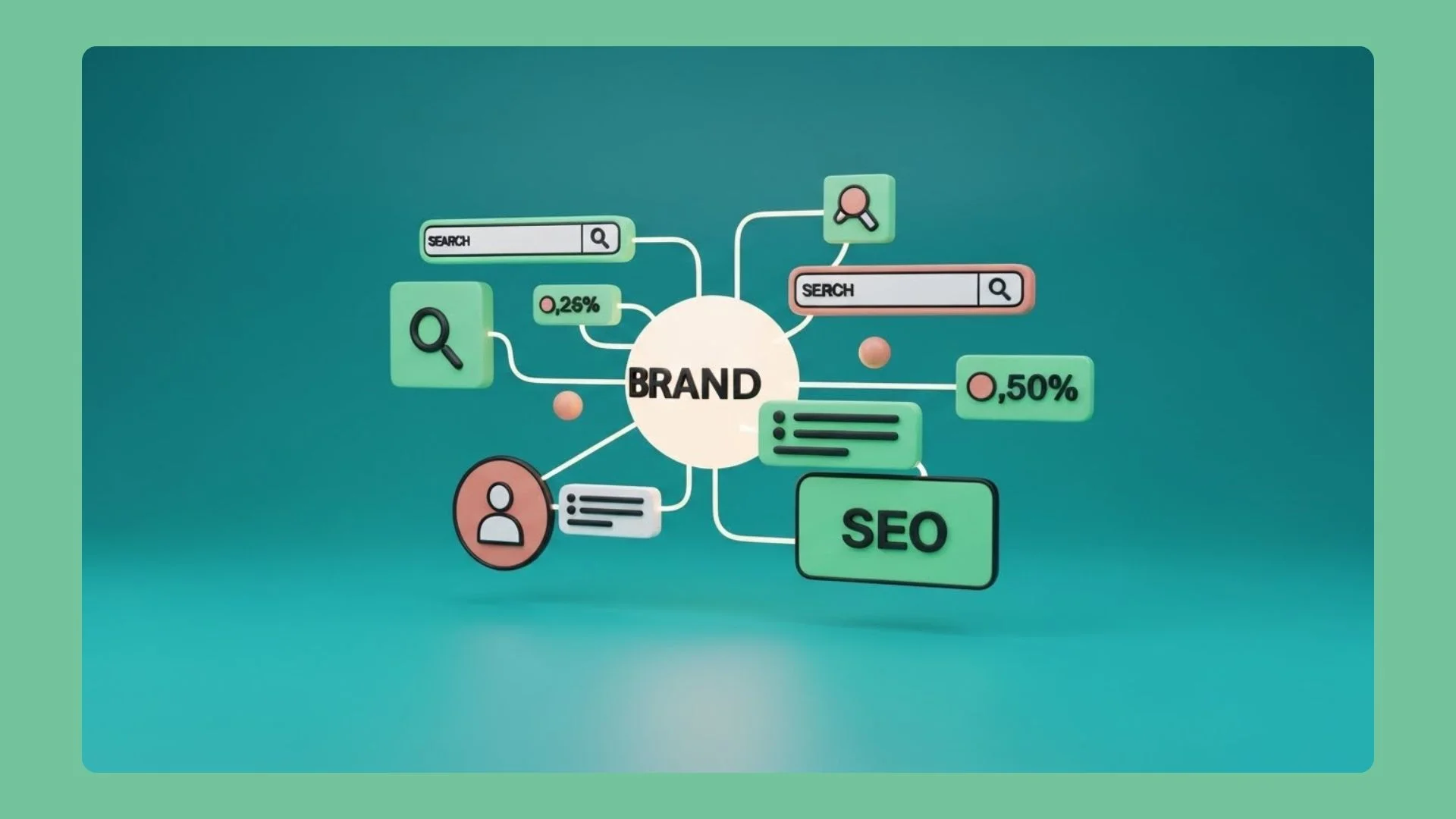
Search engines have already started favoring brands that optimize across their different channels. When your site, your blog, your email, your social, all reflect the same tone, look, and personality, people will recognize you, increasing their likelihood of clicking through, staying once they arrive, as well as increasing your chances of being crawled through the search engines.
Backlinks and technical fixes remain important, but today, user experience is a huge consideration in rankings. If your brand messaging leaves users with a lost impression, they will bounce, and this will communicate clearly to Google that your site isn’t delivering. Therefore, your content must be aligned. Your blog, landing page, email, or social communications all must demonstrate your unique value. Whether your value statement revolves around dependability and efficiency, your messaging must reflect this every single time.
Ultimately, you need to understand that branding, SEO, and other marketing strategies must work together to help achieve the top ROI. Take Domino’s, for instance. They aligned brand awareness with their performance campaign, increasing their total ROI by 45%.
Elements Affecting Consistency of a Brand Online
Several elements need to work in tandem to build the consistency needed to provide a holistic experience to your potential customers. For instance:
- Focus on your logo design first, followed by picking the right color scheme, fonts, and imagery. Double-check to ensure they align with your brand philosophy.
- The consistency in your brand messaging matters. In fact, consistency in marketing messages is closely associated with talking about products in certain ways, making certain promises, and addressing specific problems.
- No matter whether someone lands on your home page, views your Instagram, or views a marketing email, the core message must ring a bell.
- Your voice and tone are a part of this bigger picture as well. Voice, essentially, is your personality, which may come across as professional and right on target, or as friendly and playful. You may adjust your tone slightly depending on your requirements, but this tone must reflect your personality.
- Know how to make the right use of icons and graphics. These visual elements need to follow some standards that must comply with the brand identity. Likewise, photography styles such as filters and treatments must be considered, as every visual element has the power to enhance or dilute the brand.
How Brand Consistency Boosts Presence in Digital Space
It’s vital to choose the right platforms and know how to approach them to build brand identity. For instance:

- Your website is the central platform that hosts most of your conversions. Every aspect of every landing page, product descriptions, and contact pages must adhere to the set standards. You need to ensure that visitors accessing the platform from different sources get the same familiar experience.
- Social media can be very tricky because each platform feels different and needs something slightly different. In order for you to have an awesome plan, you need to look at the guidelines for each platform and demonstrate how you can use tone variation and still maintain consistency. Tone on LinkedIn can be professional, whereas on TikTok, you can be a bit more energetic. The catch is to learn exactly where you can play around with your tone and messaging a bit, and what’s off-limits when it comes to branding.
- AI-powered email marketing solutions can increase revenue, so more and more companies are beginning to focus more on their email communications. However, remember that fragmentation might creep in if you don’t scale personalization with care. Don’t rush through the process and ensure that every automated email and every dynamic email content sounds like you.
- Sponsored advertisements are sometimes left out of branding considerations. Once a user clicks on one of the advertisements you have placed and proceeds to the site, this process should be smooth. Anything that hinders the flow hurts you in conversions.
Creating An Effective Brand Style Guide for Consistency
A brand style guide should be more than just another name for that formal document that exists on some network drive and can only be accessed by you and maybe one other person. Here’s how to create an effective guide:
- Make sure that the logo guidelines include the different versions of the logo and the logo spacing, and its placement rules within specific contexts.
- You must also organize the color scheme of the logo along with specific color coding for use on the web and print media.
- Make sure to include voice and messaging modules that have examples across different scenarios. Demonstrate changes in tone when communicating through social messages, email campaigns, and advertisements, as opposed to when responding to customers. Having real-life scenarios being considered will give you the basic preparations that will allow you to create appropriate assets for your brand.
- You might want to develop an assets library that tracks approved templates, social assets, presentation decks, and icons. It’s imperative that you clearly explain who exactly would approve updates and through which channel.
How you maintain brand consistency will ultimately come down to accessibility. If the guide you created is stuck in some hard-to-find place, it will never work for you. Keep it easy to search and access, and share it with new team members to avoid any inconsistency in message or style.
Common Mistakes Associated With the Consistency of a Brand
If your message, tone, or visuals aren’t consistent, your brand won’t create a lasting image in people’s minds. Many mistakes can lead to these issues. For instance:
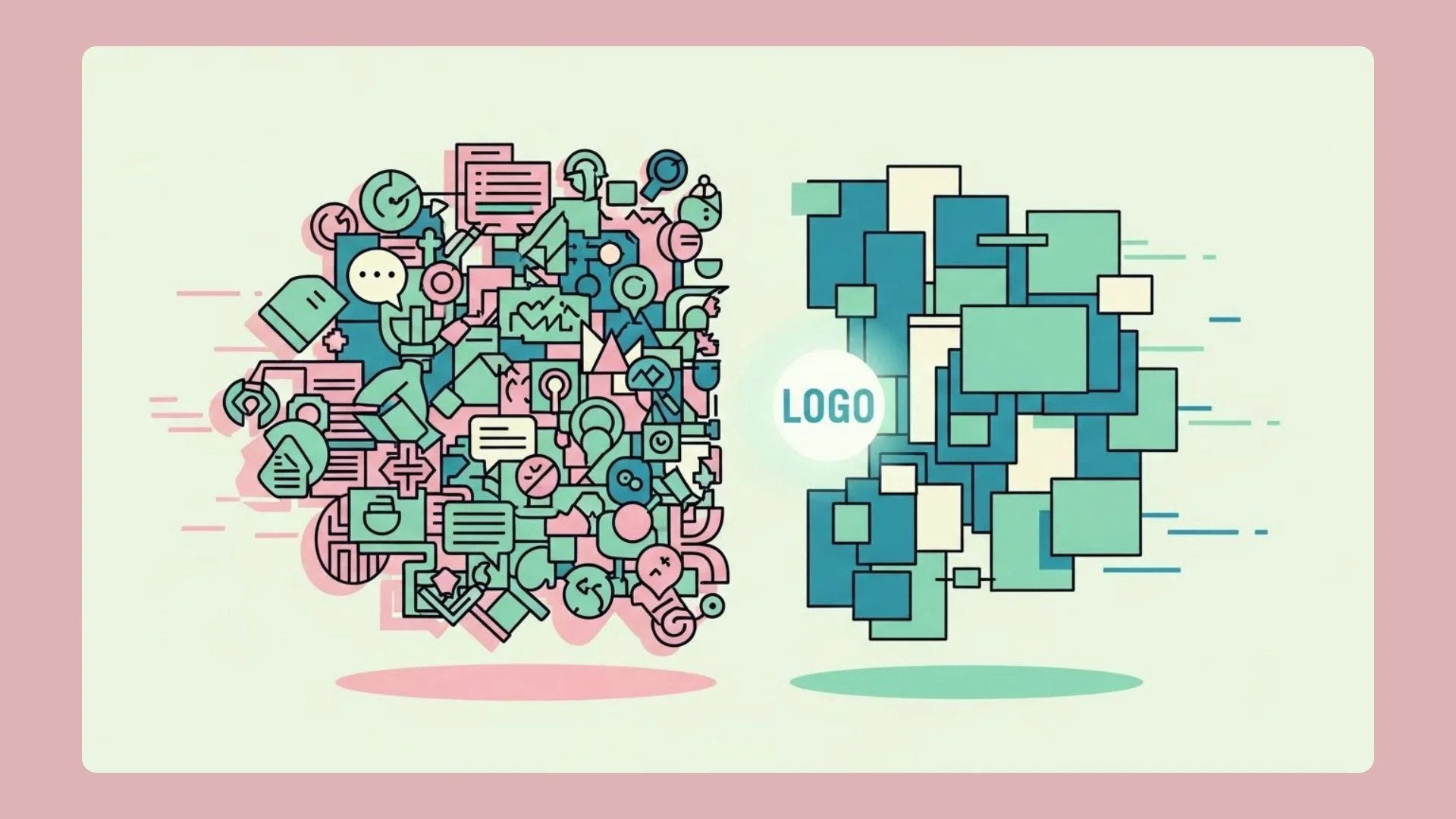
- A common issue is to have outdated content float around in old assets, like email templates, presentations, and partner websites. Make it a point to audit for such and replace them.
- Visual inconsistencies are common in user-generated content, like partner sites sporting outdated logos or resellers creating their own graphics. Create guidelines for co-branding and supply partners with pre-approved resources.
- Another challenge is that sometimes people utilize AI when sending email marketing messages that end up causing more harm than good. It is important to use AI while ensuring that the messages do not have an alien tone when it comes to brand voice.
And finally, when discussing how to ensure brand consistency, it is important that you don’t maintain brand inconsistencies in your marketing tools. Remember, when you use blended methodologies in the marketplace, it may end up affecting the consumer trust in the brand negatively.
Conclusion
Consistency in brand presence on the internet means building on an experience that customers can and do rely on every time they encounter your business. Brands that can grasp why is consistent branding important are the ones that develop relationships and are present in every aspect of customers’ lives. It definitely takes some hard work, but the payoff is well worth the effort. The nandbox App Builder enables companies to develop completely branded mobile apps that reinforce their digital identity across all touchpoints, as stated in Brand Consistency Online: The Reliable Way to Boost Visibility. Companies can maintain consistent colors, logos, messaging, and user experiences with nandbox’s no-code customization tools, guaranteeing that their brand stays trustworthy and identifiable. The platform’s scalable features, secure architecture, and adaptable design modules enable businesses to provide unified interactions that boost consumer engagement, increase visibility, and strengthen brand authority.