
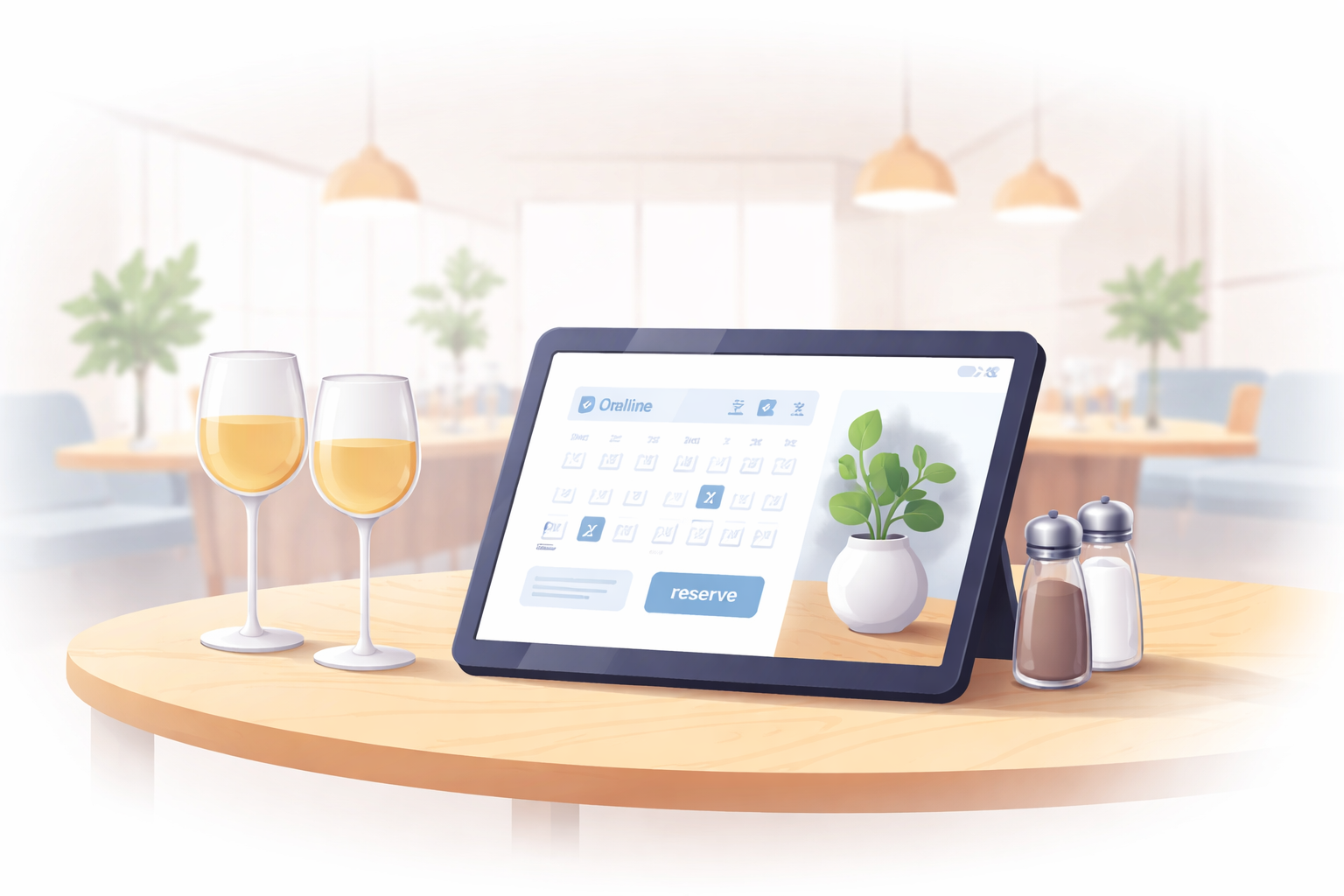
In today’s fast-paced digital world, having an efficient online restaurant reservation system or to optimize your restaurant is no longer a luxury but a necessity. The dining industry has witnessed a significant shift towards digitalization, driven by the need to enhance operational efficiency and elevate customer satisfaction. Restaurants are embracing technology to streamline operations, enhance customer experience, and boost business, which is crucial in maintaining competitiveness in a crowded market. An online dining reservation system is your gateway to a seamless booking experience that can transform your restaurant’s management and customer satisfaction. By leveraging such systems, restaurants can not only meet but exceed the expectations of tech-savvy diners, paving the way for increased patronage and loyalty.

Summary
Online reservation systems automate bookings with real-time availability and reminders, reducing errors and no-shows while improving customer satisfaction and operational efficiency. They integrate with table management, POS, and analytics tools, enabling data-driven personalization and marketing. Selecting the right platform means prioritizing usability, customization, integrations, and support, with no-code options offering fast, cost-effective, brand-aligned solutions. Successful implementation involves assessing needs, choosing software, training staff, and promoting the new system to diners.
Online table reservation systems are digital tools that allow customers to book tables at a restaurant through a website or app. These systems eliminate the need for phone calls and manual bookings, reducing errors and saving time for both customers and restaurant staff. With features like real-time availability, instant confirmation, and reminders, your diners enjoy a smooth and straightforward booking process. These features are particularly valuable in an era where convenience and efficiency are paramount, allowing diners to make reservations anytime and from anywhere.
Moreover, online reservation systems foster a better communication channel between the restaurant and its patrons. By providing accurate, up-to-date information about table availability and wait times, these systems enhance transparency and reliability, which are critical factors in building trust and loyalty among customers. Furthermore, the ability to manage reservations digitally allows restaurants to collect and analyze data on customer preferences and behaviors, enabling more personalized service and targeted marketing efforts.
Benefits of an Online Dining Reservation System
The benefits of an online dining reservation system extend beyond mere convenience. They offer comprehensive advantages for both restaurant owners and their patrons:
- Efficiency: Automates the booking process, reducing manual labor. This automation not only frees up staff to focus on delivering exceptional service but also reduces the likelihood of human error, leading to more accurate bookings and improved operational flow.
- Customer Experience: Enhances satisfaction with easy-to-use interfaces and quick confirmations. The immediacy of confirmations and the ease of use of these systems can significantly enhance the dining experience, making it more enjoyable and stress-free for customers.
- Data Insights: Offers valuable insights into customer behavior and preferences. This data can be instrumental in crafting personalized dining experiences, such as remembering a customer’s favorite dish or preferred seating area, thereby fostering customer loyalty and repeat business.
- Reduced No-Shows: Sends reminders to minimize no-shows and optimize seating. By reducing no-shows, restaurants can maximize their seating capacity and revenue potential, while also improving the overall dining experience by ensuring tables are available for other guests.
Exploring Restaurant Management Tools

A robust restaurant reservation system online integrates seamlessly with restaurant management tools. These tools help manage reservations, customer data, and operations more effectively. By providing a centralized platform for managing various aspects of restaurant operations, these tools simplify processes and enhance coordination among staff. Features often include:
- Table Management: Optimize table turnover and seating arrangements. Effective table management ensures that the restaurant can accommodate as many guests as possible without compromising the dining experience or service quality.
- Customer Profiles: Track customer preferences for personalized service. Knowing your customers’ likes and dislikes allows for a more tailored dining experience, which can improve satisfaction and encourage repeat visits.
- Analytics and Reporting: Analyze trends and performance metrics. These insights can be used to make informed business decisions, such as adjusting staffing levels during peak hours or launching targeted marketing campaigns.
- Integration with POS Systems: For streamlined operations and billing. Seamless integration with point-of-sale systems ensures that billing and payment processes are efficient and error-free, enhancing the overall customer experience.
Choosing the Best Online Restaurant Reservation System
When selecting the best online restaurant reservation system, consider the following:
- User-Friendly Interface: Should be easy for both staff and customers to navigate. An intuitive interface reduces the learning curve and encourages adoption by both employees and patrons.
- Customization Options: Allows for personalized settings to fit your restaurant’s needs. Customization ensures that the system can adapt to your specific operational requirements, whether it’s accommodating special events or managing loyalty programs.
- Integration Capabilities: Seamlessly connects with your existing systems like POS and customer management. Good integration reduces the complexity of managing multiple software solutions and enhances overall operational efficiency.
- Support and Training: Offers reliable customer support and training resources. Access to comprehensive training materials and responsive support teams ensures that any issues can be swiftly resolved, minimizing disruptions to your operations.
The Role of No-Code App Builders
No-code app builders have revolutionized how restaurant owners create and customize their online reservation systems. These platforms allow users to build apps without extensive programming knowledge, making it easier to design a table booking app that meets specific requirements. This democratization of app development empowers restaurant owners to take control of their digital presence, ensuring that their reservation systems are perfectly aligned with their brand and business goals.
No-code solutions like nandbox are particularly appealing to small and medium-sized restaurants that may not have the budget to hire dedicated development teams. By using drag-and-drop interfaces and pre-built restaurant booking app templates, restaurant owners can quickly develop and deploy functional reservation systems that enhance their operational capabilities and customer interactions.
Advantages of Using No-Code App Builders
- Cost-Effective: Reduces the need for hiring developers. By eliminating the need for specialized coding skills, no-code platforms make it financially feasible for more restaurants to implement digital solutions that enhance their operations.
- Time-Saving: Quick to deploy with pre-made templates. The speed at which solutions can be developed and launched means restaurants can respond swiftly to market changes and customer demands.
- Customizable: Offers flexibility to tailor the app to your brand. This customization ensures that the app reflects the restaurant’s unique identity and caters to its specific customer base.
- User-Friendly: Designed with intuitive interfaces for ease of use. This user-friendliness extends to both the development process and the end-user experience, ensuring that the app is both easy to create and easy to navigate for customers.

Popular Restaurant Booking Software
Several software options are available for restaurant owners looking to implement an online reservation system. These platforms range from comprehensive solutions to niche applications, each offering unique features tailored to different operational needs. Here are some popular choices:
- nandbox: Known for its no-code capabilities, this no-code platfrom allows restaurants to build customized apps with ease. Its flexibility and ease of use make it a popular choice among restaurateurs seeking tailored solutions.
- OpenTable: Offers a comprehensive suite of tools for reservations and customer management. With a strong reputation and extensive network, OpenTable provides robust features that cater to a wide range of dining establishments.
- Resy: Focuses on enhancing the dining experience with innovative features. Resy’s emphasis on user experience and engagement helps restaurants build stronger relationships with their customers.
- Yelp Reservations: Integrates with the Yelp platform for increased visibility. By leveraging Yelp’s extensive user base, this platform helps restaurants attract new customers and enhance their online presence.
Features to Look for in Restaurant Booking Software
When evaluating restaurant booking software, prioritize these features:
- Real-Time Availability: Instant updates on table availability. This ensures that both staff and customers have access to the most current information, reducing the likelihood of overbooking or customer dissatisfaction.
- Automated Notifications: Sends confirmations and reminders to customers. Automated communications help maintain engagement with customers, ensuring they are informed and less likely to miss their reservations.
- Mobile Access: Fully functional on mobile devices for on-the-go management. Mobile capabilities allow restaurant managers to oversee operations and make adjustments from anywhere, providing greater flexibility and control.
- Analytics Dashboard: Access to data for informed decision-making. An analytics dashboard provides valuable insights into customer behaviors and operational performance, guiding strategic decisions and optimizing restaurant operations.
Implementing an Online Reservation System for Your Restaurant
Integrating an online reservation system into your restaurant’s operations requires careful planning and execution. This transformation involves aligning technological solutions with your business goals and operational processes. Here’s a step-by-step guide:
Step 1: Assess Your Needs
Determine what features are most important for your restaurant. Consider your customer base, volume, and any specific requirements you may have. Understanding these needs will guide your selection process and ensure that the chosen system aligns with your business objectives.
Step 2: Choose the Right Software
Select a platform that aligns with your needs. Consider factors like cost, ease of use, and integration capabilities. A well-chosen platform will not only meet your current operational demands but also have the flexibility to adapt as your business grows and evolves.
Step 3: Train Your Staff
Ensure your team is comfortable with the new system. Provide training sessions and resources to help them navigate the software efficiently. A well-trained staff is essential for maximizing the benefits of your new reservation system and ensuring a smooth transition.
Step 4: Promote Your New System
Inform your customers about the new reservation options through marketing channels like social media, email newsletters, and in-restaurant signage. Effective promotion will encourage customers to utilize the new system, enhancing their dining experience and improving your restaurant’s operational efficiency.
Conclusion
An online restaurant reservation system can significantly enhance your restaurant’s operations and customer satisfaction. By choosing the right tools and platforms, you can streamline the booking process, gain valuable insights, and ultimately, provide a better dining experience. Embrace the digital transformation and watch your restaurant thrive in the competitive dining landscape.
Incorporating a no-code app builder, into your strategy can further simplify the process, allowing you to create a tailored solution without the need for extensive technical skills. This approach not only democratizes app development but also empowers restaurant owners to take control of their digital strategies. Start your journey towards a more efficient and customer-friendly restaurant with the right online reservation system today, and position your business for success in the evolving dining industry.
Frequently Asked Questions
What is an online restaurant reservation system and why is it essential today?
It’s a digital tool (website or app) that lets diners book tables with real-time availability, instant confirmations, and reminders. It replaces phone calls and manual entries, reducing errors and saving time for both staff and guests. In a competitive, digital-first market, it boosts efficiency, enhances customer experience, builds trust through transparency, and helps restaurants meet (and exceed) tech-savvy diners’ expectations.
How do online reservation systems reduce no-shows and operational errors?
Automated confirmations and reminders keep guests informed and committed, which lowers no-shows. Real-time availability prevents double-booking and manual mistakes. Integrated table management optimizes seating and turnover, while centralized data and POS integrations streamline workflows and billing—freeing staff to focus on service.
What features should I prioritize when choosing reservation software?
Look for an intuitive, user-friendly interface; strong customization options; seamless integrations (POS, customer management, analytics); and reliable support and training. Must-have capabilities include real-time availability, automated notifications, mobile access for on-the-go management, and an analytics dashboard for data-driven decisions.
Why consider a no-code app builder for reservations?
No-code platforms let you build a branded, customized reservation app without developers—ideal for small and medium restaurants. They’re cost-effective, quick to deploy via templates, flexible to tailor to your brand and workflows, and designed with intuitive interfaces that simplify both creation and customer use.
What are some popular reservation solutions and how do they differ?
nandbox enables custom no-code apps tailored to your brand and needs. OpenTable offers a comprehensive, widely adopted toolset for reservations and guest management. Resy focuses on enhancing the dining experience with innovative, engagement-driven features. Yelp Reservations integrates with Yelp to boost visibility and attract new diners.