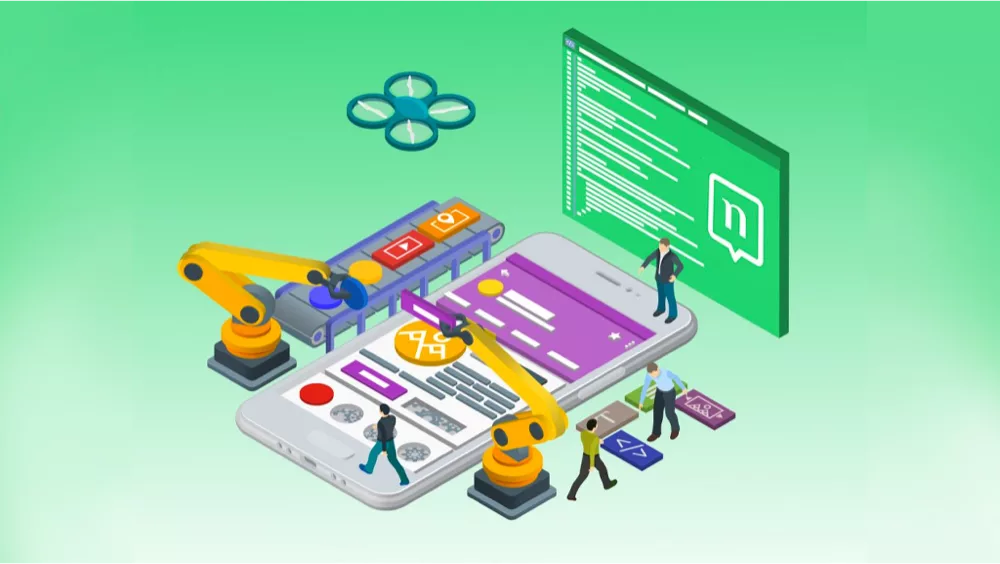
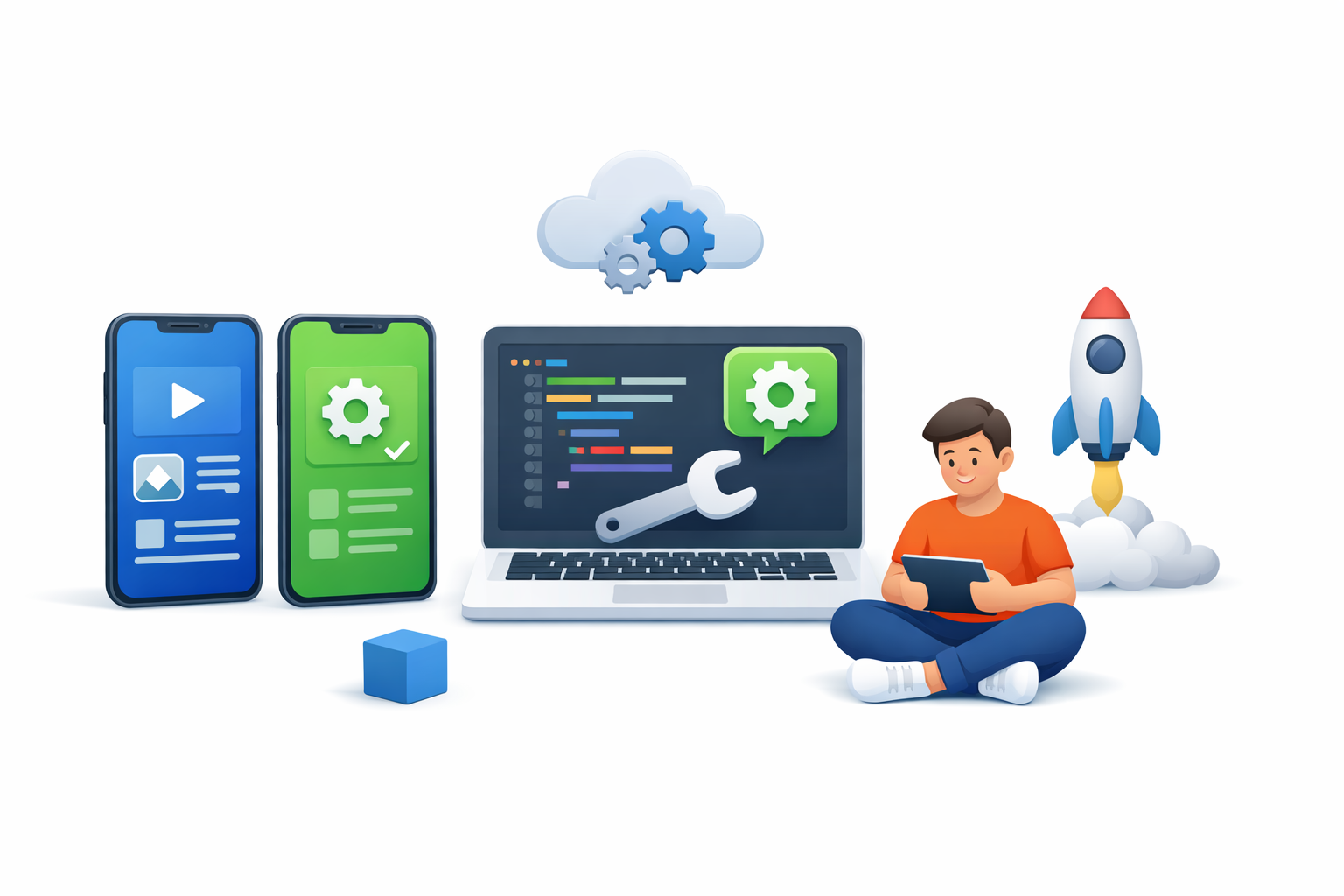
In today’s fast-paced digital world, mobile apps have become essential tools for businesses and individuals alike. Whether you’re looking to streamline operations, engage customers, or create the next big thing, having the right mobile app developer is crucial. But with so many options available, how do you find the best mobile app developers for your needs? In addition to traditional development firms, native no-code app builders like nandbox are reshaping the landscape, enabling businesses and teams to quickly prototype and deploy mobile applications without deep coding expertise.
This guide will walk you through what to look for and where to find top talent in the industry, including top app developers, mobile app experts, the best app creators, and reputable app development companies.
Summary
This guide explains the mobile app development process—from requirements and lifecycle stages to CI/CD, security, and post-launch maintenance—and the core skills great developers need. It details how to evaluate and choose talent (portfolio, reviews, technical expertise, cultural fit, and cost) across markets like Orange County and India. It compares firm types and approaches (full-service, specialized, custom, cross-platform, agile) and highlights the best mobile app distribution platforms for developers 2026 and the best mobile app analytics tools for developers 2026. It also recommends the Mobile Growth Summit for learning and networking, often cited as the best mobile advertising conference for app developers 2026, emphasizing continuous improvement and long-term partnerships to maximize app success.
Understanding Mobile App Development
Before diving into finding the best developers, it’s important to understand what mobile app development entails. Mobile app development involves creating software applications that run on mobile devices, delivered through app development services offered by mobile development firms and app development companies. This process includes designing the user interface, writing the code, testing the app, and deploying it on app distribution platforms.
Requirements and Prototyping
Mobile app development begins with a clear understanding of the project requirements. Developers work closely with stakeholders to define the app’s purpose and goals, ensuring alignment with business objectives. This phase often involves creating wireframes and prototypes to visualize the app’s functionality and design. For rapid validation, teams may also explore no-code app builders and native no-code app builders to create clickable prototypes and early MVPs.
Development Lifecycle
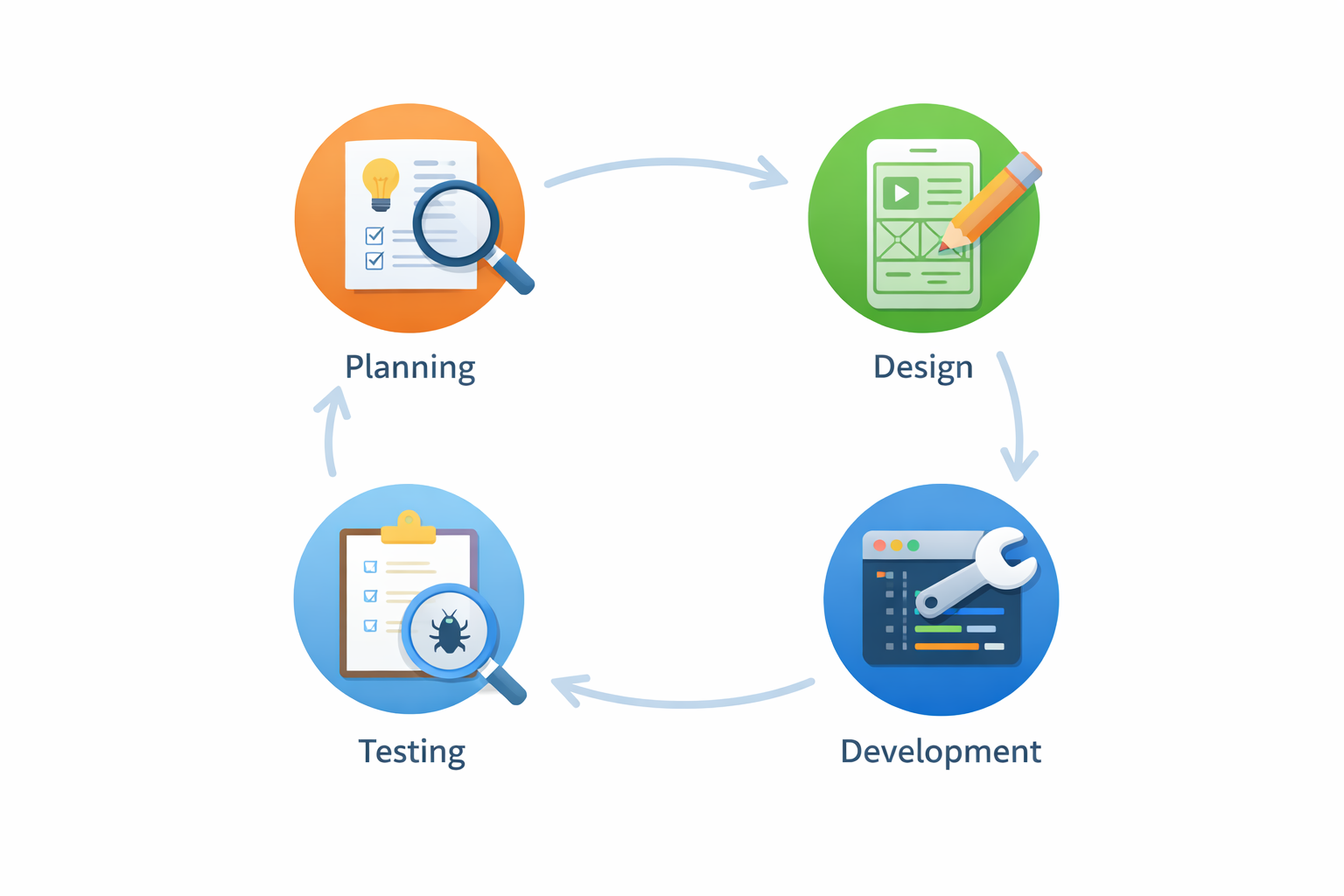
The development lifecycle is a structured series of phases that guide the app from concept to completion. It typically includes planning, design, development, testing, and deployment. Each phase requires collaboration among designers, developers, and testers to ensure the app meets quality standards and user expectations.
CI/CD
In modern app development, continuous integration and deployment (CI/CD) play a crucial role. CI/CD practices automate the testing and deployment of code changes, allowing developers to release updates more frequently and reliably. This approach ensures that apps remain competitive and responsive to user feedback and market trends.
Security
Security is a paramount concern in mobile app development. Developers must implement robust security measures to protect user data and prevent unauthorized access. This involves encrypting sensitive information, using secure authentication methods, and regularly updating the app to address vulnerabilities.
Post-Launch Support and Maintenance
The work doesn’t end once the app is launched. Post-launch support and maintenance are critical to ensure the app remains functional and up-to-date. Developers provide ongoing support to address bugs, add new features, and optimize performance based on user feedback and analytics using the best mobile app analytics tools for developers 2026.
Core Skills for Mobile App Developers
Mobile app developers should possess a variety of skills to create efficient and user-friendly applications. These include:
- Proficiency in multiple programming languages is essential for mobile app developers. For iOS development, Swift is the primary language, while Kotlin is favored for Android. Additionally, knowledge of cross-platform languages like Flutter’s Dart or React Native can be advantageous for creating apps that run on both iOS and Android.
- A compelling user interface (UI) and user experience (UX) are vital for app success. Developers must understand design principles to create intuitive and engaging interfaces. This includes selecting appropriate color schemes, typography, and navigation elements that enhance usability and aesthetic appeal.
- Testing and debugging are integral to the development process. Developers need to be adept at identifying and resolving issues to ensure a seamless user experience. They utilize tools and frameworks to conduct unit tests, integration tests, and user acceptance tests to validate app functionality and performance.
- Understanding the intricacies of app distribution is crucial for developers. They must navigate the submission processes for various platforms, such as the Apple App Store and Google Play. This includes adhering to platform guidelines, optimizing app listings, and managing updates and user reviews.
- Effective collaboration and communication skills are essential for developers working in teams. They must interact with designers, project managers, and clients to align on project goals and timelines. This involves regular meetings, documentation, and using collaboration tools to facilitate smooth workflow. Skilled mobile software developers combine these abilities with sound product thinking.
App Distribution Platforms for 2026
Distribution platforms are where users can download your app. Choosing the right platform is key to reaching your target audience. Here are some of the best mobile app distribution platforms for developers 2026:
Apple App Store
The Apple App Store remains a dominant player in the app distribution landscape. It offers a vast user base of iOS device owners, providing developers with access to a lucrative market. The store’s strict review process ensures app quality and security, making it a preferred choice for premium app launches.
Google Play Store
The Google Play Store is the go-to platform for Android apps, boasting a massive global audience. Its flexible submission process and integration with Google’s ecosystem make it attractive for developers. The Play Store’s advanced analytics and promotional tools aid in optimizing app visibility and performance.
Amazon Appstore
The Amazon Appstore is a growing platform, particularly for reaching Android users. It offers unique opportunities for app monetization through Amazon’s vast retail network. Developers can leverage features like Amazon Coins and seamless integration with Amazon devices to enhance user engagement and retention.
Microsoft Store
For apps targeting Windows users, the Microsoft Store presents a viable option. It supports a range of devices, from PCs to Xbox consoles, allowing developers to reach diverse audiences. The store’s streamlined certification process and support for universal Windows apps make it appealing for cross-platform development.
Alternative App Stores
Beyond the major platforms, alternative app stores cater to niche markets and regions. These stores can offer less competition and faster approval processes, enabling developers to reach specific demographics. Examples include Huawei AppGallery, Samsung Galaxy Store, and Aptoide.
How to Find and Evaluate Developers
Whether you’re in Orange County or halfway across the globe, finding the best mobile app developers involves considering several factors.
Evaluation Factors
- A developer’s portfolio is a window into their capabilities and style. Reviewing past projects provides insights into their expertise, creativity, and versatility. Look for apps with high user ratings and positive feedback, as these indicate successful execution and client satisfaction.
- Client reviews and testimonials offer valuable perspectives on a developer’s professionalism and reliability. Reach out to previous clients to gauge their experiences working with the developer. Positive reviews indicate strong communication, timely delivery, and a collaborative approach to problem-solving.
- Technological expertise is a critical factor when choosing a developer. Evaluate their proficiency in relevant programming languages, frameworks, and tools. Developers who stay updated with the latest trends and technologies demonstrate a commitment to innovation and continuous improvement.
- Cultural fit and communication are often overlooked but crucial aspects of collaboration. Choose developers who align with your company’s values and understand your business goals. Effective communication ensures smooth project management and minimizes misunderstandings during the development process.
- Cost is an important consideration when selecting a developer. Compare pricing structures and determine whether they align with your budget. Consider the value offered in terms of quality, experience, and support. Remember that the cheapest option may not always provide the best results.
Also consider whether you need individual specialists or larger mobile development firms and app development companies for end-to-end delivery.
Orange County
Orange County is home to some of the leading app developers who are known for their innovation and expertise. Companies like Chop Dawg and Five have established themselves as top players in the industry. When looking for developers in this region, consider their portfolio, client reviews, and technological expertise. Chop Dawg
Chop Dawg stands out as a pioneer in app development, known for its innovative solutions and client-centric approach. The company specializes in transforming ideas into successful digital products, offering services from design to post-launch support. Their diverse portfolio showcases apps across various industries, highlighting their adaptability and creativity. Five
Five is renowned for its commitment to excellence and attention to detail. The company focuses on creating seamless user experiences through meticulous design and robust development practices. Their projects often feature cutting-edge technology and user-friendly interfaces, earning them a reputation for delivering high-quality apps on time. Ecosystem
Orange County’s tech ecosystem provides a thriving environment for app developers. The region’s proximity to major tech hubs like Silicon Valley and Los Angeles offers access to a wealth of resources and networking opportunities. This vibrant community fosters collaboration and innovation, making it an ideal location for finding top-tier development talent. If you’re seeking the best mobile app developers in Orange County or comparing lists of the best mobile app developers in Orange County 2026, review up-to-date rankings, case studies, and verified references.
India
India is renowned for its skilled mobile software developers who offer high-quality services at competitive prices. Companies like Tata Consultancy Services and Infosys are known for their global outreach and expertise in app development services. When choosing a developer in India, it’s important to look at their past projects and communication capabilities. Tata Consultancy Services (TCS)
Tata Consultancy Services (TCS) is a global leader in IT services, including mobile app development. TCS’s extensive experience spans various industries, making them adept at handling complex projects. Their emphasis on innovation and customer satisfaction has earned them a reputation for delivering world-class solutions. Infosys
Infosys is a trailblazer in technology solutions, known for its cutting-edge app development services. The company’s focus on research and development ensures they stay at the forefront of industry trends. Infosys’s collaborative approach and robust infrastructure enable them to deliver scalable and reliable apps for clients worldwide. Outsourcing Advantages
Outsourcing app development to India offers several advantages, including cost-effectiveness and access to a vast talent pool. Indian developers are known for their technical expertise and ability to deliver high-quality solutions within tight deadlines. The country’s favorable time zone differences also facilitate round-the-clock collaboration. Many of these providers are large app development companies with established processes and global delivery centers.
Types of Development Firms and Approaches
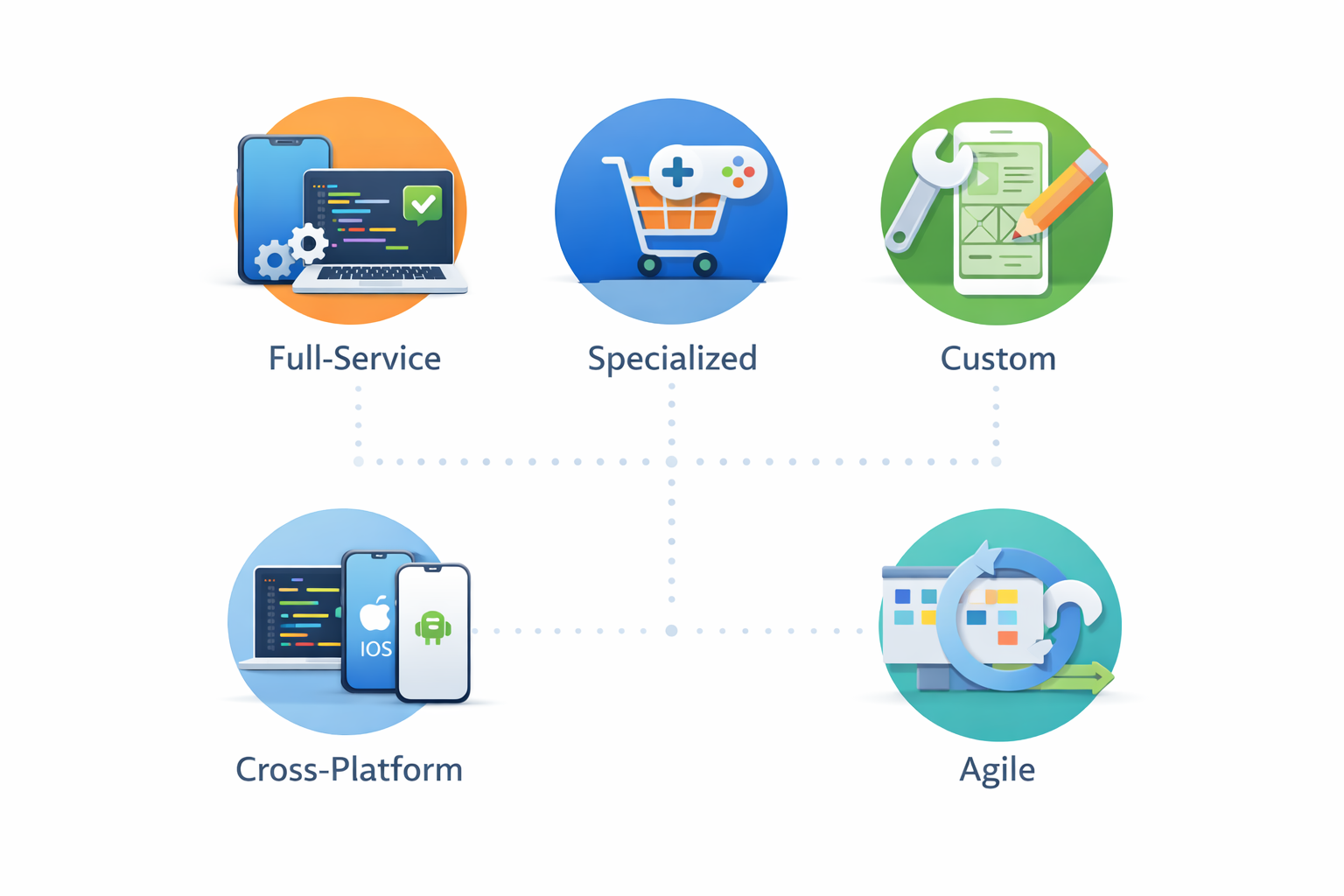
When selecting a mobile development firm, consider their range of services and areas of expertise.
- Full-service development firms provide end-to-end solutions, handling everything from concept to launch. This holistic approach ensures seamless integration of design, development, testing, and support. Choosing a full-service firm can simplify project management and reduce the need for multiple vendors.
- Specialized development firms focus on specific areas, offering expertise in fields like gaming, e-commerce, or enterprise solutions. Their deep knowledge of niche markets allows them to create tailored solutions that meet unique project requirements. Collaborating with a specialized firm can enhance the quality and relevance of your app.
- Custom development services cater to clients with specific needs and preferences. These services involve creating bespoke applications that align with your brand identity and business objectives. Custom solutions offer greater flexibility and control over the app’s features and functionalities.
- Hybrid and cross-platform development techniques enable apps to run on multiple platforms with a single codebase. This approach reduces development time and costs while ensuring a consistent user experience across devices. Firms offering hybrid solutions leverage frameworks like React Native and Flutter to achieve cross-platform compatibility.
- Agile and lean development practices emphasize flexibility, collaboration, and iterative progress. Firms adopting these methodologies prioritize client feedback and adapt to changing requirements throughout the development process. Agile practices enhance transparency and efficiency, resulting in faster delivery and higher-quality apps.
No-code options can also accelerate delivery for prototypes and internal tools. No-code and native no-code app builders such as nandbox help teams validate ideas quickly, reduce initial engineering overhead, and transition to custom builds as product-market fit becomes clear.
Top Analytics Tools for 2026
Tracking the performance of your app is crucial for ongoing success. Here are some of the best mobile app analytics tools for developers 2026 that teams should consider:
- Firebase Analytics provides developers with real-time insights into user behavior and app performance. The platform’s integration with Firebase’s suite of tools allows for seamless tracking and analysis of user interactions. Developers can leverage this data to optimize app features, improve user retention, and drive growth.
- Mixpanel excels in tracking user engagement and conversion metrics, offering granular insights into user journeys. Its robust analytics capabilities enable developers to understand user behavior at every stage of the app lifecycle. Mixpanel’s A/B testing and cohort analysis features empower developers to make data-driven decisions for app optimization.
- App Annie is a leading provider of market data and insights, offering developers a comprehensive view of the app landscape. The platform’s extensive data sets cover app downloads, revenue, and market trends, assisting developers in making informed strategic decisions. App Annie’s competitive analysis tools provide a competitive edge by identifying growth opportunities and potential challenges.
- Flurry Analytics offers a comprehensive suite of tools for mobile app analytics, covering user acquisition, engagement, and retention. The platform’s user-friendly interface and customizable dashboards make it easy for developers to monitor key performance indicators. Flurry’s in-depth reports and segmentation capabilities enable developers to tailor strategies for specific user segments.
- Adjust is a mobile measurement and fraud prevention platform that helps developers track app performance and protect against fraudulent activities. The platform’s robust attribution and analytics features provide insights into user acquisition campaigns and app monetization. Adjust’s fraud prevention technology ensures accurate data, enabling developers to optimize marketing efforts effectively.
Conferences and Networking: Mobile Growth Summit
Attending conferences is a great way to stay updated on industry trends and network with other professionals. The Mobile Growth Summit is considered one of the best conferences for app developers in 2026 and is often regarded as the best mobile advertising conference for app developers 2026. It covers topics like user acquisition, monetization, and growth strategies.
The Mobile Growth Summit offers unparalleled networking and learning opportunities for app developers. Attendees can connect with industry leaders, share insights, and explore potential partnerships. The conference’s diverse sessions and workshops provide valuable knowledge on the latest trends and best practices in mobile app development.
The Mobile Growth Summit features keynote speakers and panel discussions from top industry experts. These sessions cover a wide range of topics, including user acquisition strategies, monetization techniques, and growth hacking tips. Developers can gain actionable insights and inspiration from thought leaders shaping the future of mobile apps.
In addition to presentations, the Mobile Growth Summit offers workshops and hands-on training sessions. These interactive experiences allow developers to deepen their understanding of specific tools, technologies, and methodologies. Participants can apply newfound knowledge to their projects, enhancing their skills and expertise.
The conference showcases the latest trends and innovations in mobile app development. Attendees can explore new technologies, tools, and platforms that are shaping the industry. This exposure to cutting-edge advancements helps developers stay competitive and informed in a rapidly evolving landscape.
The Mobile Growth Summit hosts networking events and social gatherings to facilitate connections among attendees. These informal settings provide opportunities for developers to discuss challenges, share experiences, and build relationships with peers. Networking can lead to valuable collaborations and partnerships that drive future success.
Conclusion and Best Practices
Finding the best mobile app developers requires understanding your project needs and the skills necessary to bring your vision to life. Whether you’re looking locally in Orange County, exploring options in India, or considering mobile development firms with a global reach, it’s important to assess their skills, experience, and compatibility with your project’s goals.
By leveraging the right app distribution platforms and analytics tools, and staying informed through industry conferences, you can maximize the success of your mobile app. Choose wisely, and your app could become the next big hit in the mobile world.
Making informed decisions involves thorough research and consideration of various factors. Evaluate potential developers based on their expertise, portfolio, and client feedback. Understanding your project’s requirements and aligning them with a developer’s capabilities is key to achieving your app’s goals.
Stay ahead in the competitive app market by leveraging the latest technology and industry trends. Embrace innovative solutions, adopt agile practices, and continuously update your app to meet user demands. Staying informed and adaptable ensures your app remains relevant and successful.
Building long-term partnerships with developers fosters collaboration and trust. Choose developers who share your vision and demonstrate a commitment to your project’s success. A strong partnership enables ongoing support, maintenance, and future enhancements, ensuring your app’s longevity and impact.
Embrace growth and learning opportunities to enhance your app development skills and knowledge. Attend conferences, participate in workshops, and engage with industry communities. Continuous learning empowers you to make informed decisions and drive innovation in your app development endeavors.
Q&A
What should I look for when choosing a mobile app developer or firm?
Focus on evidence and fit. Start with their portfolio to assess quality, creativity, and versatility—prioritize apps with strong ratings and reviews. Validate professionalism through client testimonials and direct references to gauge communication, timeliness, and problem-solving. Confirm technical depth in relevant stacks (Swift, Kotlin, Flutter/Dart, React Native), plus familiarity with design principles, testing frameworks, and app store guidelines. Ensure cultural fit and clear communication practices to reduce friction. Finally, weigh cost against value—experience, support, and long-term maintenance often outperform the cheapest bid.
What best-practice processes should my developer follow from build to launch and beyond?
Expect a disciplined lifecycle and continuous improvement. Great teams plan, design, develop, test, and deploy iteratively, using CI/CD to automate testing and releases for faster, safer updates. They bake in security—encrypting sensitive data, using secure authentication, and patching vulnerabilities promptly. Testing spans unit, integration, and user acceptance to protect UX and performance. After launch, they provide ongoing maintenance, bug fixes, enhancements, and performance optimization guided by analytics and user feedback. Strong collaboration—regular check-ins, documentation, and tooling—keeps goals aligned.
Which app distribution platforms and analytics tools should I prioritize in 2026?
Match platforms to your audience, then measure what matters. For iOS reach and premium positioning, the Apple App Store’s strict review process supports quality and trust. For global Android scale, Google Play offers flexible submissions, integrated tools, and powerful promotion/analytics. Consider Amazon Appstore for Android monetization tied to Amazon’s ecosystem, and Microsoft Store to reach Windows and Xbox users. Niche or regional distribution can benefit from Huawei AppGallery, Samsung Galaxy Store, or Aptoide. For analytics, use Firebase Analytics for real-time product insights, Mixpanel for engagement and conversion analysis (including cohorts and A/B tests), App Annie for market and competitive intelligence, Flurry for KPI dashboards and retention tracking, and Adjust for attribution and fraud prevention. Together, these help optimize acquisition, retention, and revenue.
How can I stay current and build partnerships that boost app success?
Invest in learning and long-term collaboration. Attend the Mobile Growth Summit for 2026-focused content on user acquisition, monetization, and growth, plus workshops and hands-on sessions to sharpen tactics. Leverage networking to connect with leaders, share challenges, and form partnerships. Internally, favor agile and lean practices to iterate quickly on user feedback and market shifts. Externally, choose partners who share your vision and commit to ongoing support—sustained collaboration enables continuous improvement, stronger roadmaps, and better outcomes over the life of your app.